In Praise of Solid Sound
Why Wilco's Celebration of Music, Art, and Community Is Unlike Any Other Festival
Story and Photography by JD Cohen
The modern festival landscape has become increasingly dominated by massive corporate events featuring big-name sponsorships, overcrowded stages, and carefully engineered social media moments. Large festivals in the United States like Coachella, Bonnaroo, and Jazz Fest, as well as much smaller festivals like Newport Folk and Boston Calling, have become increasingly commercial and corporate.
Wilco's Solid Sound Festival has remained refreshingly human, interesting and exhilarating .
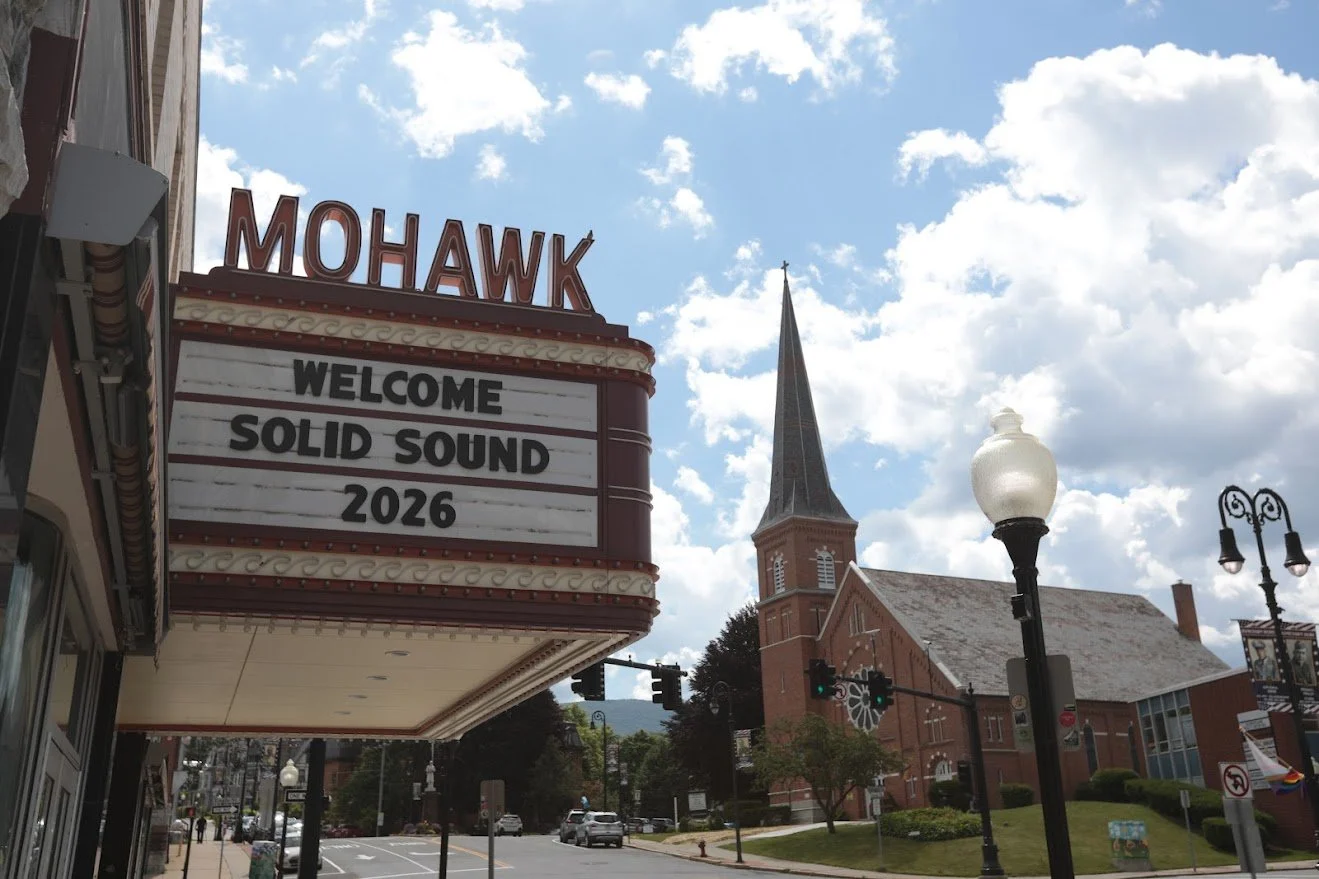
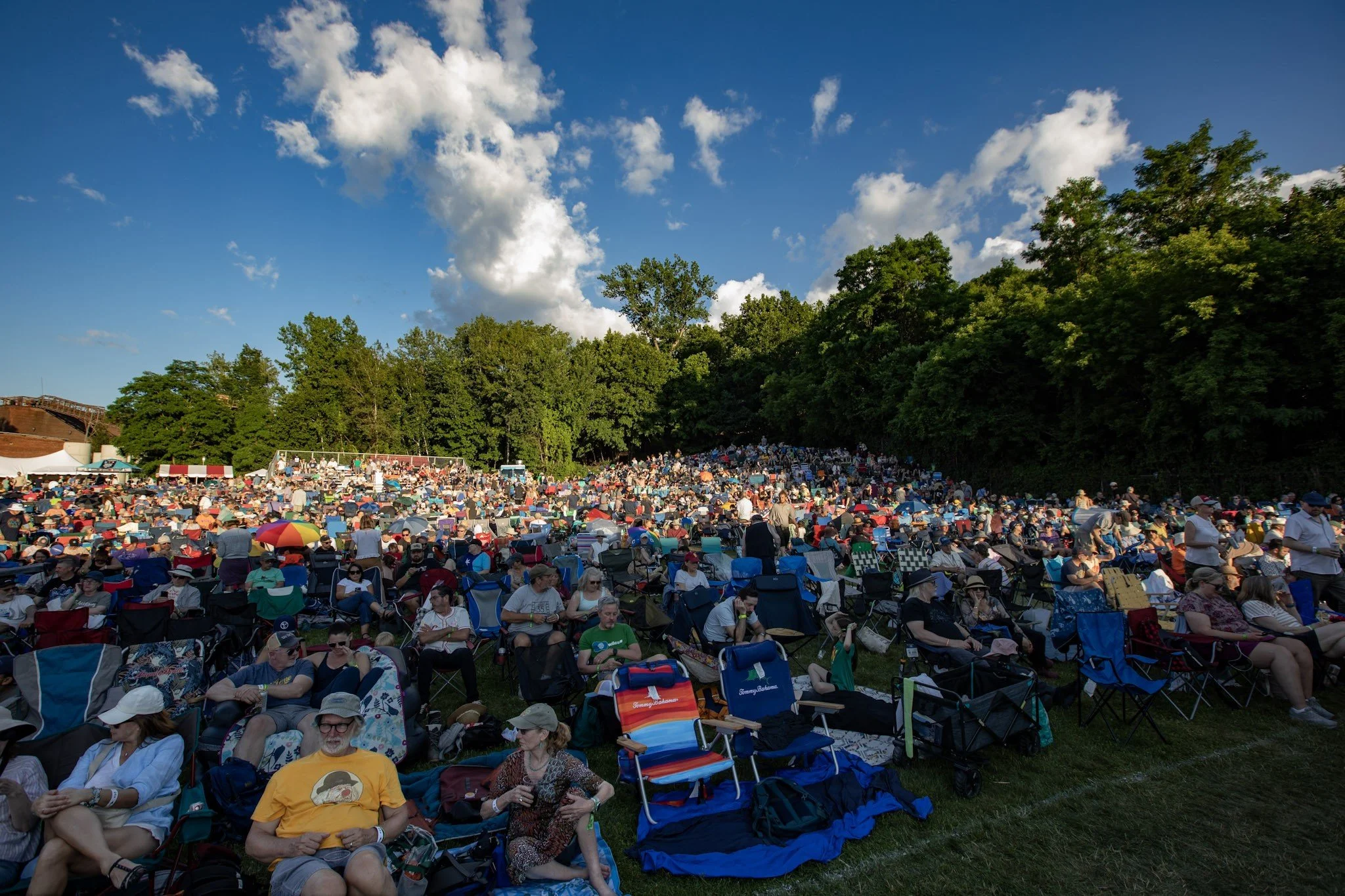
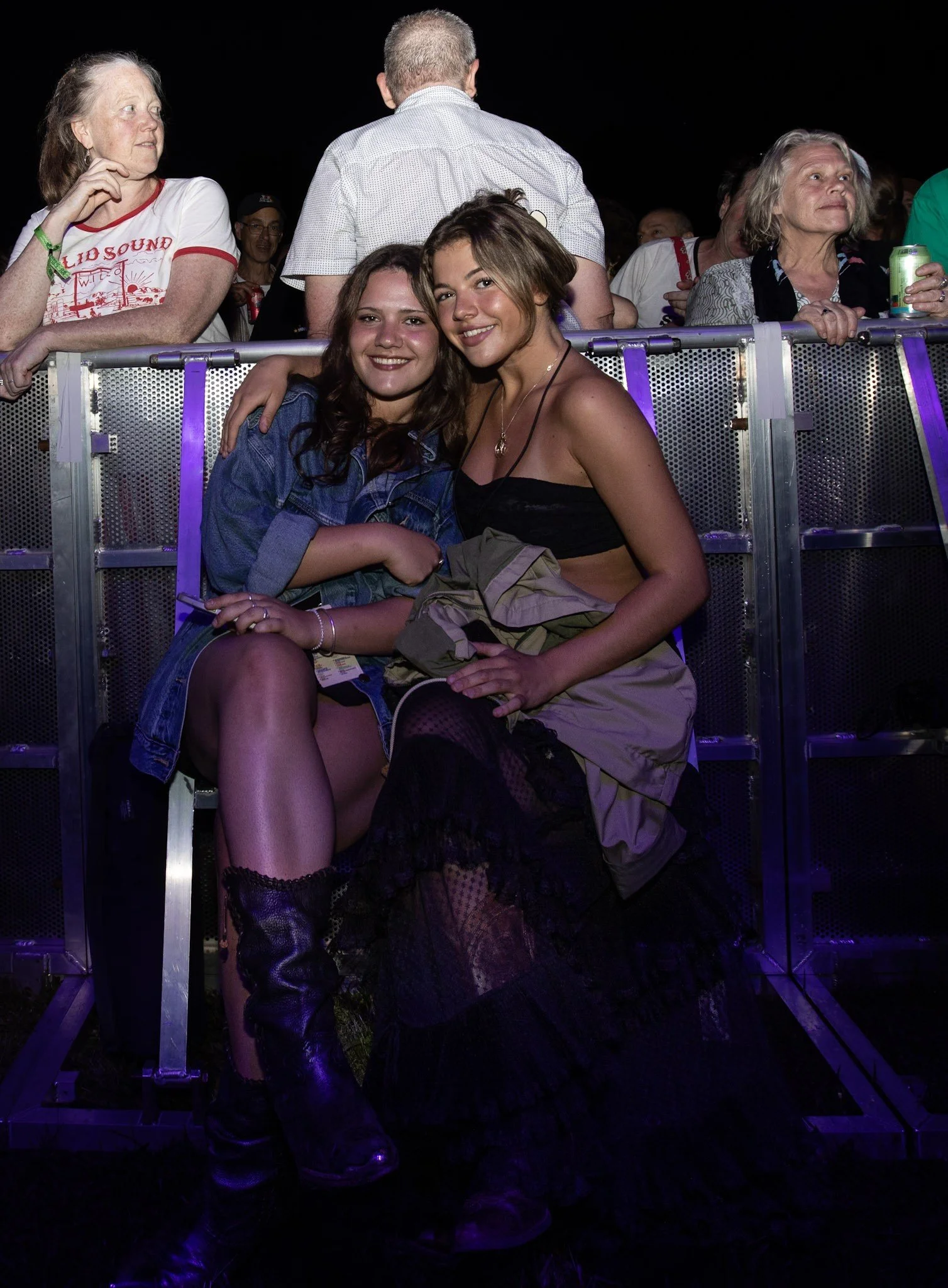
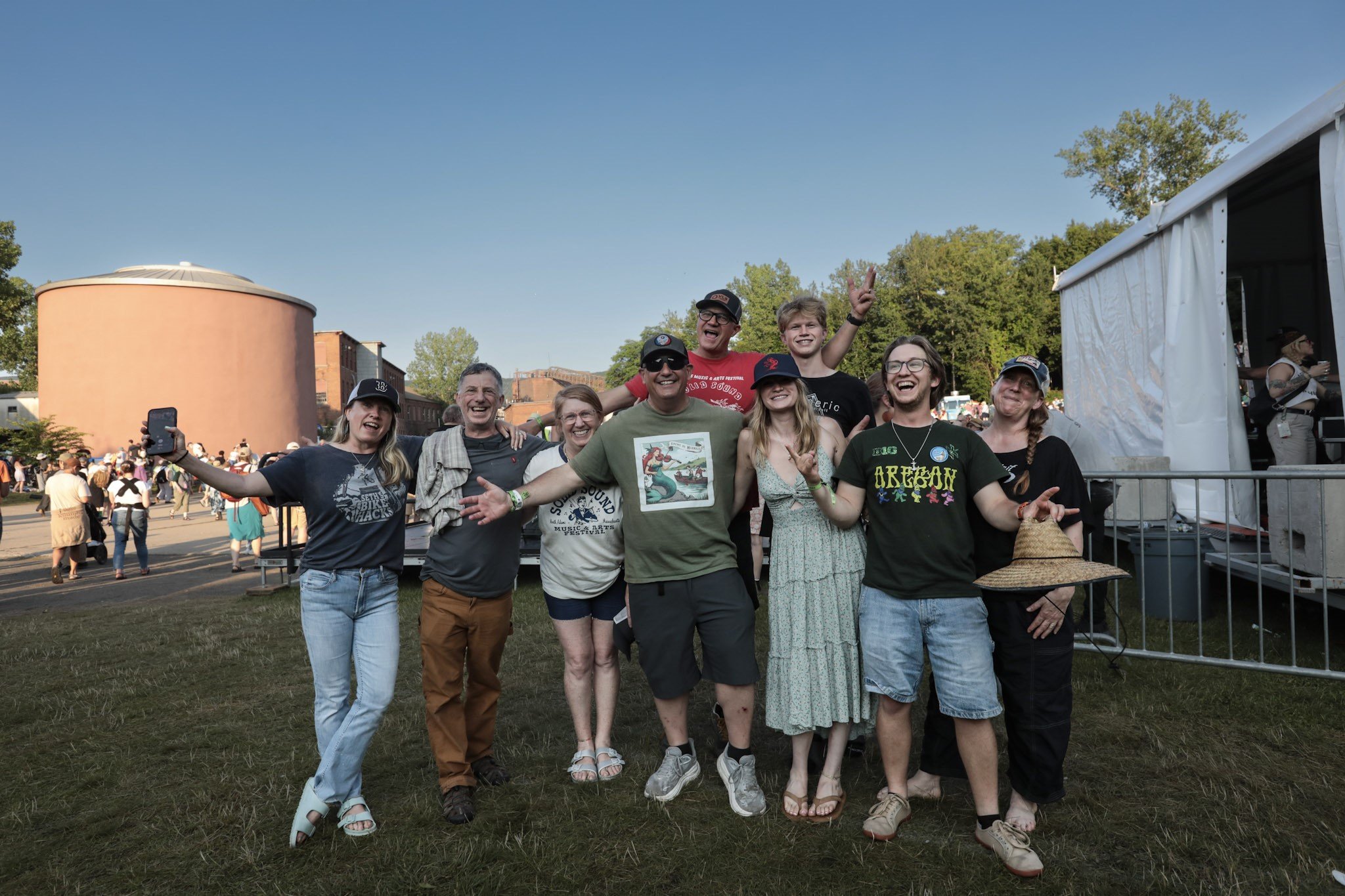
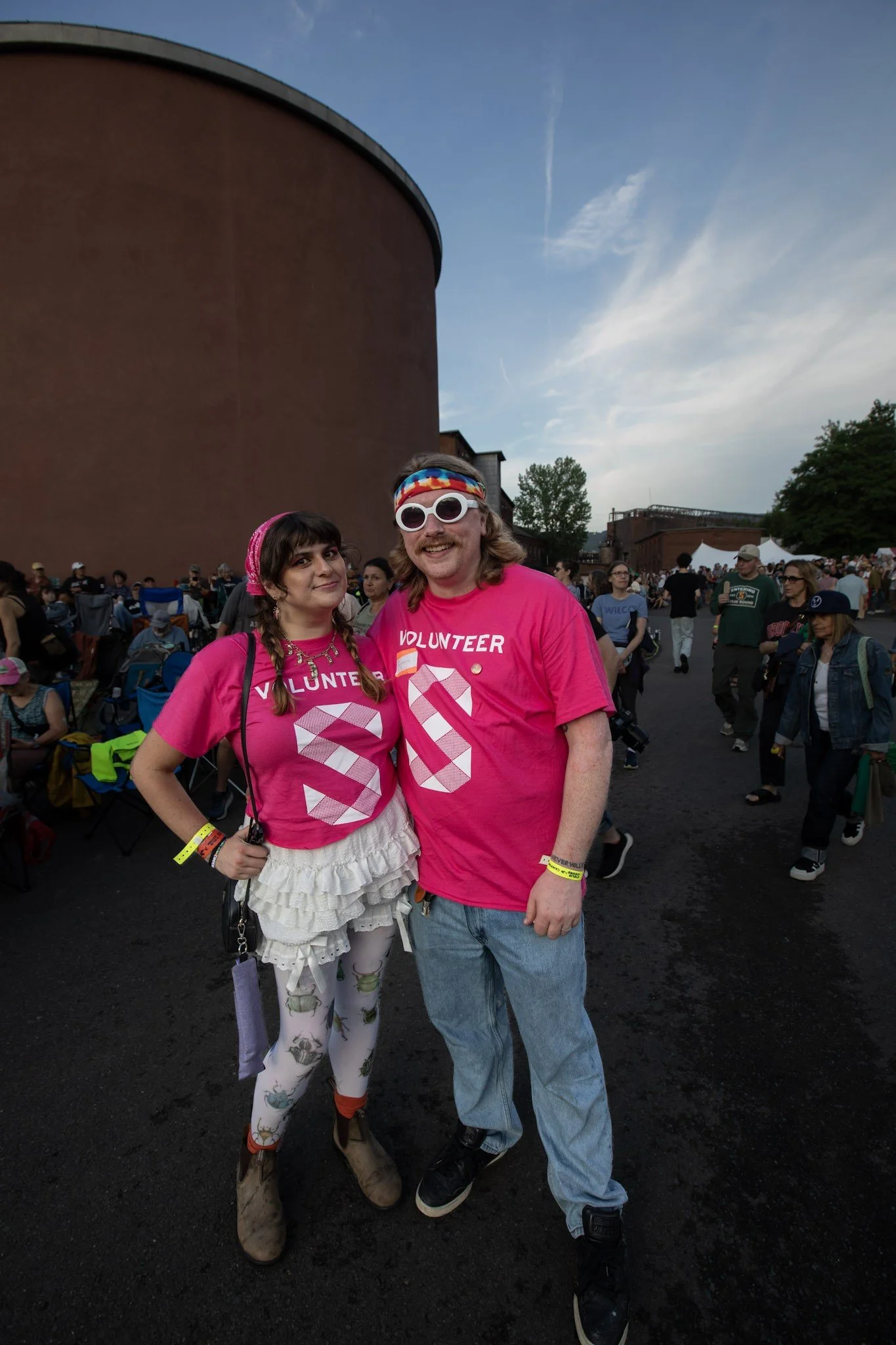
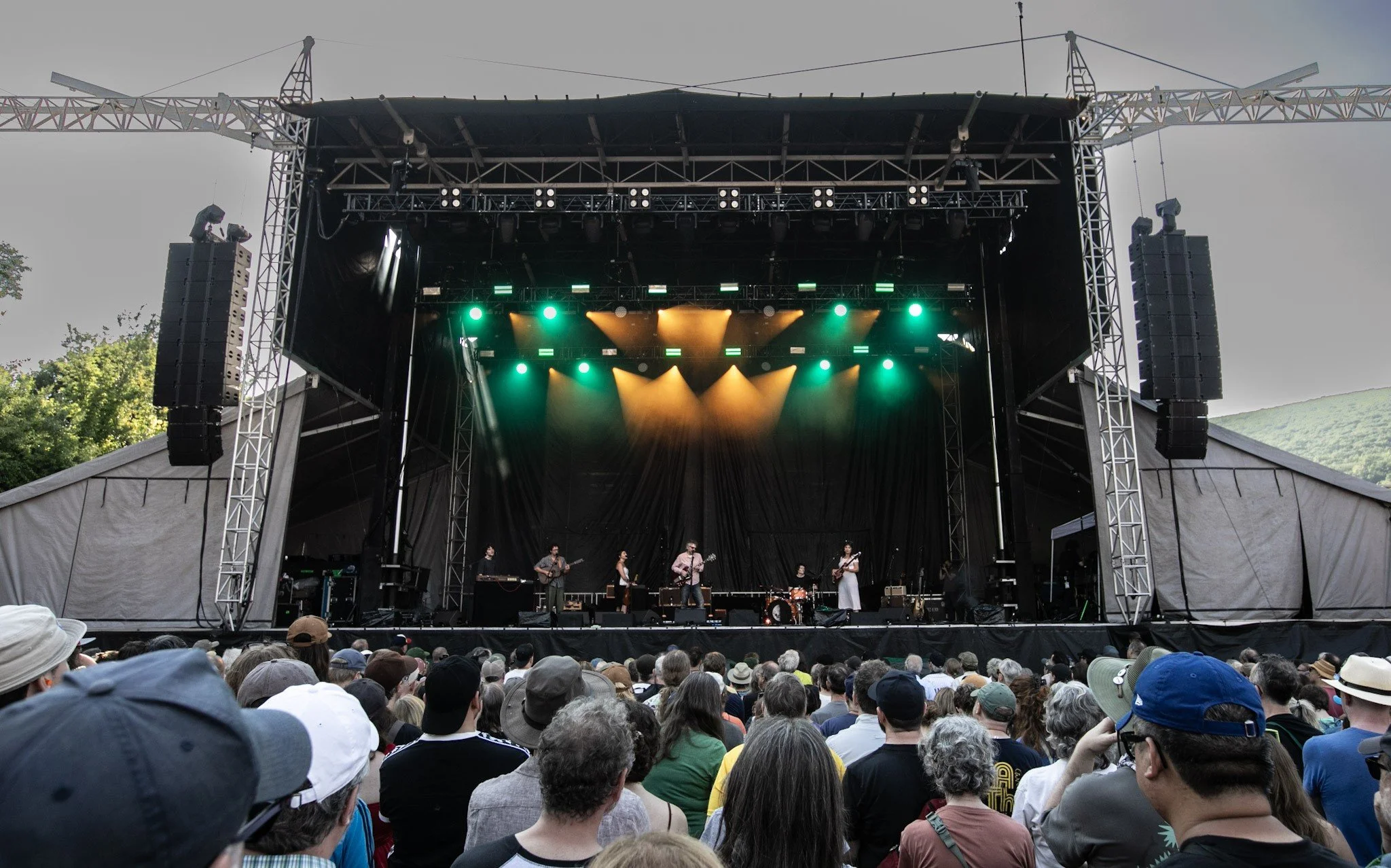
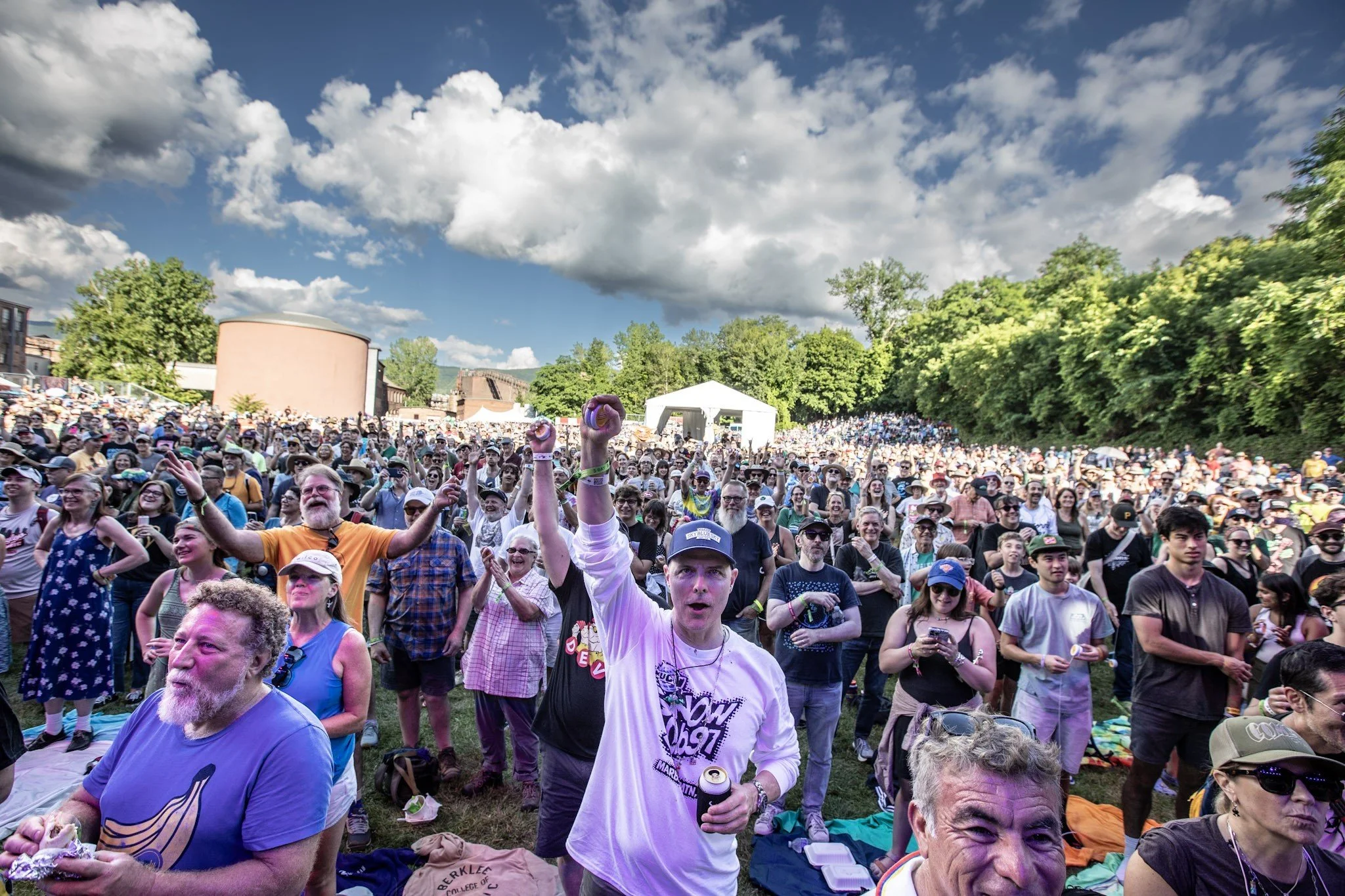
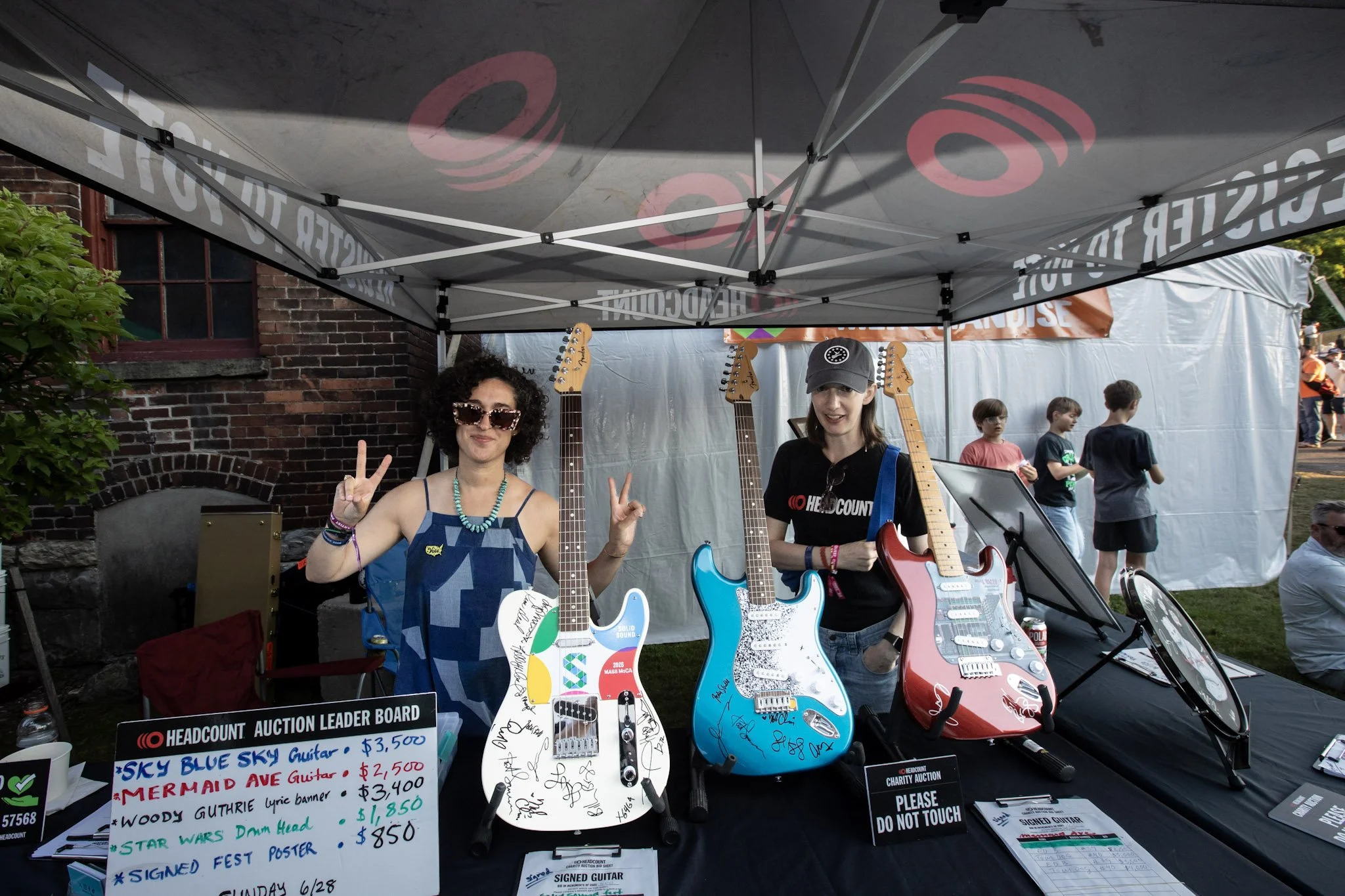
There is no VIP experience at Solid Sound, and there are no big screens on the main stage. At Solid Sound, musicians freely mix with attendees. It is intimate without being small (approximately 8,500), ambitious without becoming bloated, and artistically adventurous without ever feeling pretentious. It is a festival built around curiosity, not commerce. The lineup curated by Wilco is designed to expose festivalgoers to music they may not otherwise discover.
Since its debut in 2010, Solid Sound has evolved into one of America's most beloved "boutique" music festivals. Wilco’s Solid Sound represents everything that has made the Chicago-based band one of the most respected musical institutions: musical excellence, community, and a willingness to ignore trends in favor of authenticity. Solid Sound is not like any other music festival, and, for many, it is much more than just a weekend of live music. It is an artistic retreat and an affirmation that thoughtful, adventurous music and art still matter.
Wilco's roots go back to the ashes of Uncle Tupelo, one of the pioneering alternative country bands of the late 1980s and early 1990s. Uncle Tupelo dissolved in 1994 following creative tensions between Jeff Tweedy and Jay Farrar.
While Farrar formed Son Volt, Jeff Tweedy put together a new group that eventually became Wilco.Their 1995 debut, A.M., initially appeared to continue Uncle Tupelo's country-rock tradition, but a transformation began almost immediately, and each new album seemed determined to surprise and challenge listeners.
A turning point came in 1999 with Summerteeth, where lush pop arrangements, more complex and emotional songwriting, made it clear that Wilco had become something entirely unique.
Then came Yankee Hotel Foxtrot. The album became legendary after Reprise Records rejected it, thinking it lacked commercial potential. The band streamed the record online before eventually releasing it through Nonesuch Records, ironically owned by the same parent company.
Officially released in 2002, the album became a landmark in American rock music.Hailed by critics as a masterpiece, its fractured beauty, experimental textures, and haunting songwriting elevated both the album and the band to cult-like status. The story was immortalized in the documentary I Am Trying to Break Your Heart. The albums that followed Yankee Hotel Foxtrot demonstrated a band unwilling to stand still.
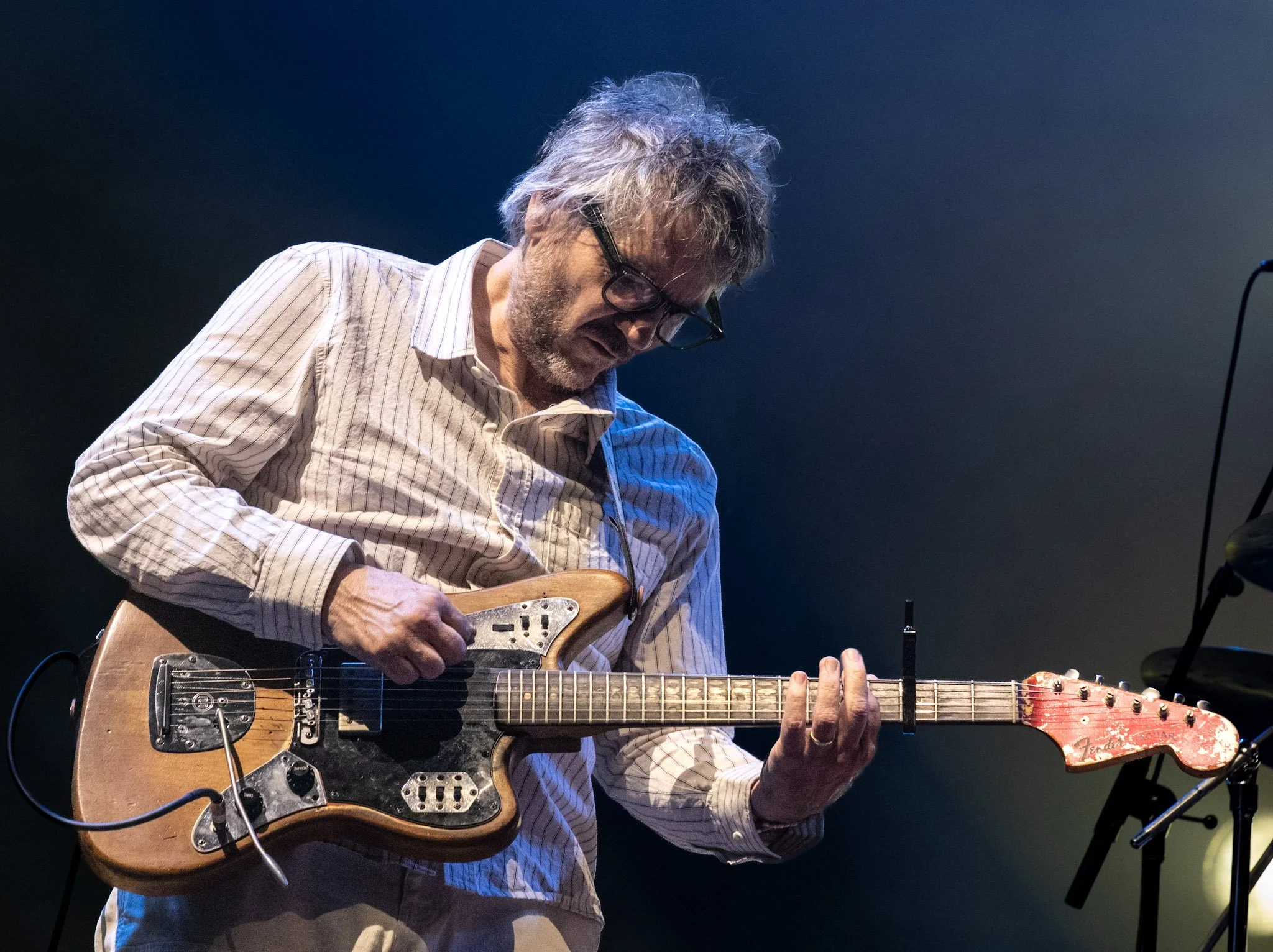
Although the music has evolved and there have been some lineup changes, the heart and soul of the band has always been founder and frontman Jeff Tweedy. What makes Tweedy especially unusual as a rock star is his humility. He lacks the larger-than-life persona associated with fame. Tweedy projects warmth, self-deprecating humor, and authenticity. His accessibility and openness about addiction, anxiety, depression, and recovery have made him a relatable figure rather than an untouchable celebrity.
Over the course of his career, Tweedy has transformed from a restless, often conflicted songwriter into an artist whose work is marked by confidence, generosity, and emotional openness. By the late 2000s, Wilco had become a major concert attraction. They could have simply headlined existing festivals, but Tweedy and his band imagined something different.
They didn't build a festival around celebrity headliners and mainstream appeal, they built one around artistic curiosity and invited all their friends and musicians they admired to join them. They created an environment where kids, artists, comedians, photographers, experimental musicians, and indie rock legends could comfortably coexist.
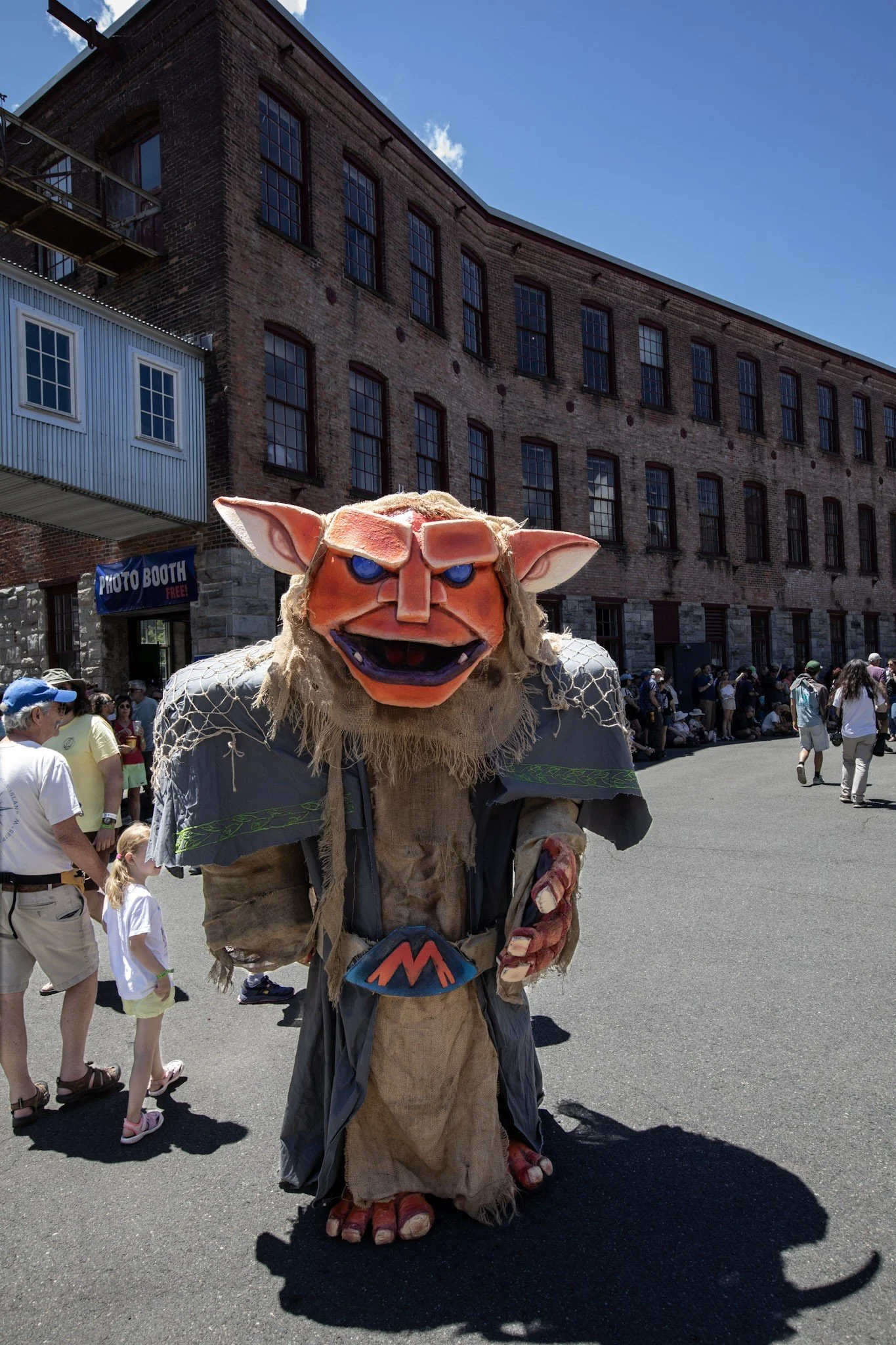
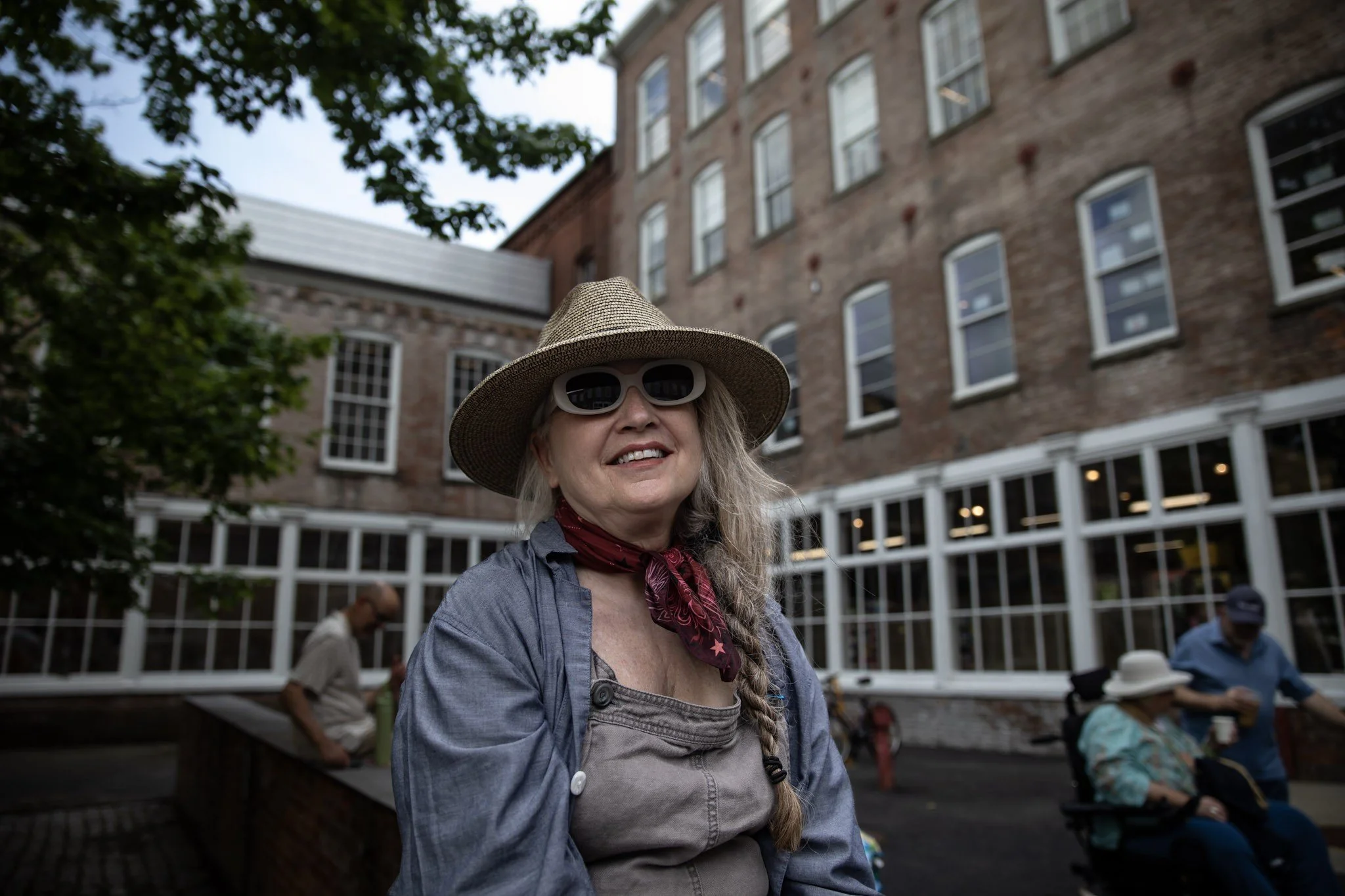
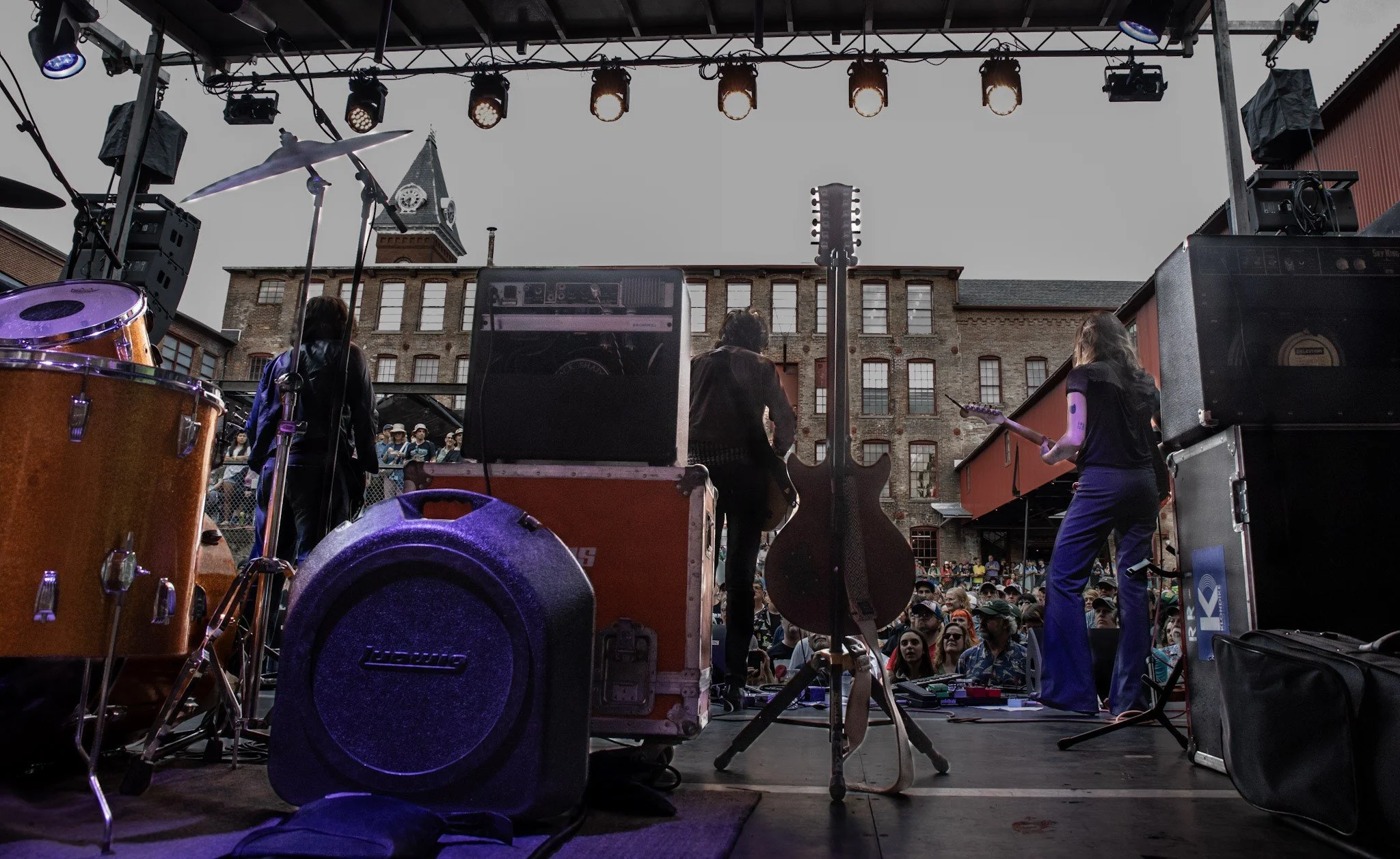
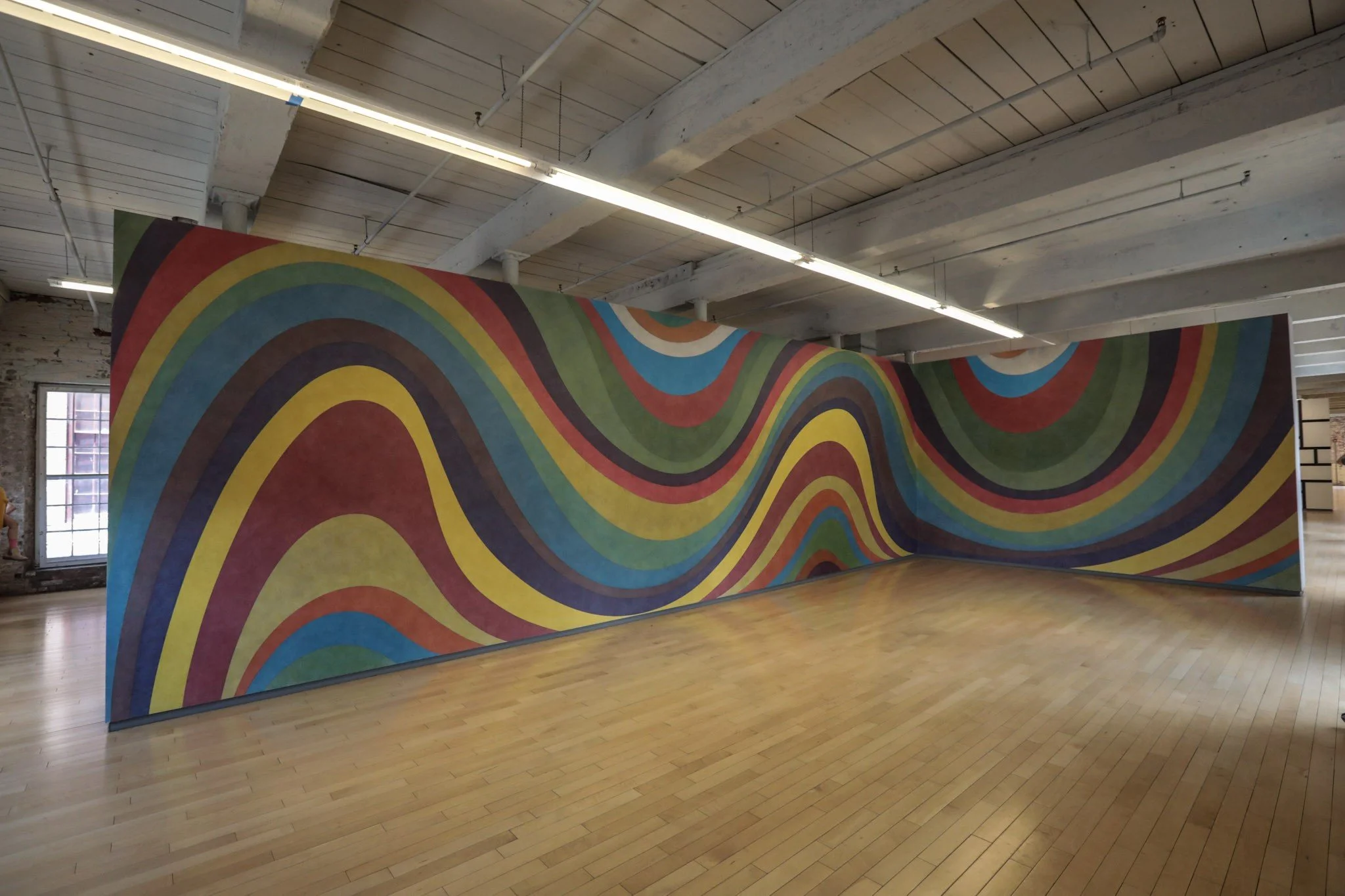
The venue itself became part of the vision. Few festival locations rival the uniqueness of the Massachusetts Museum of Contemporary Art (MASS MoCA) in North Adams. Located inside a nineteenth-century factory complex covering more than twenty acres, the museum combines industrial architecture with world-class contemporary art installations. Massive brick buildings, open courtyards, galleries, performance spaces, and outdoor stages create an environment unlike any other concert venue. Solid Sound makes full use of the space, and festival attendees have the run of the museum, including exceptionally clean bathrooms, various lounges, and cafés. To say it's far more comfortable and civilized than most outdoor festivals would be an understatement.
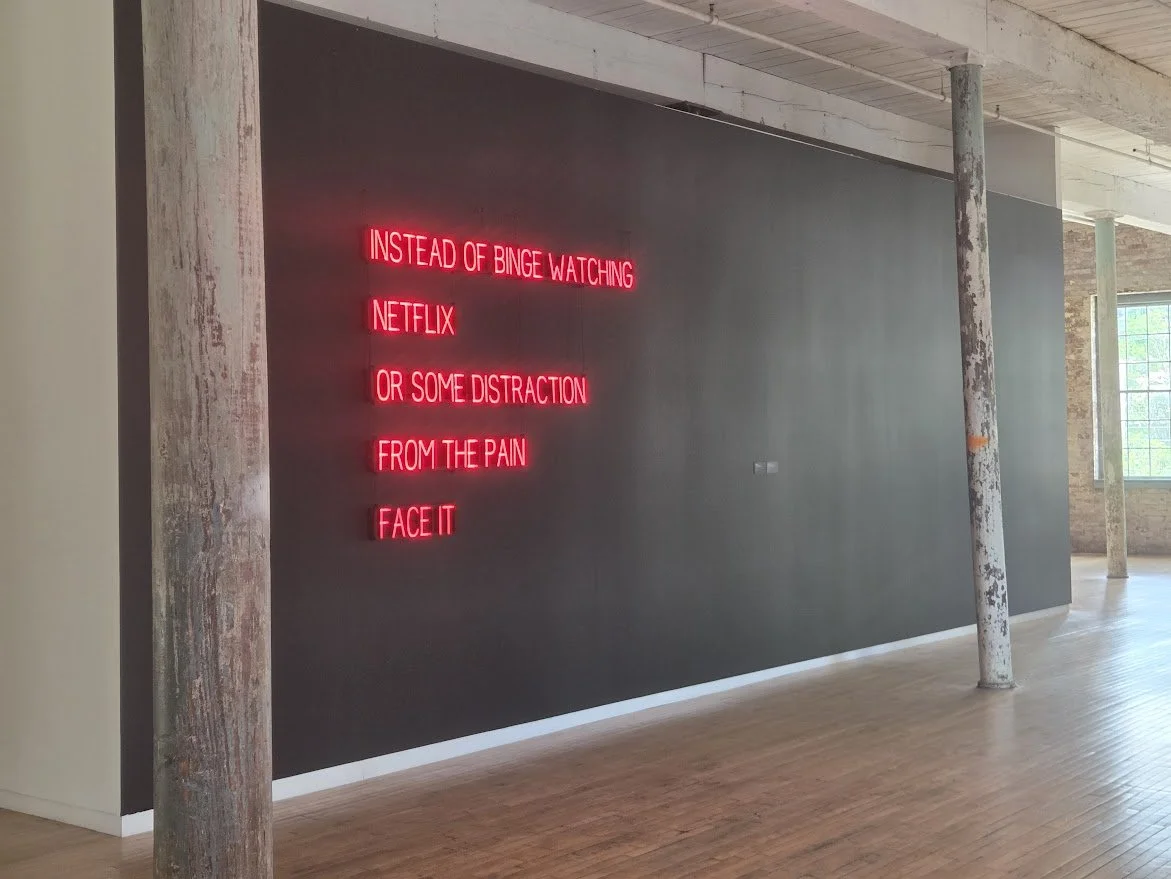
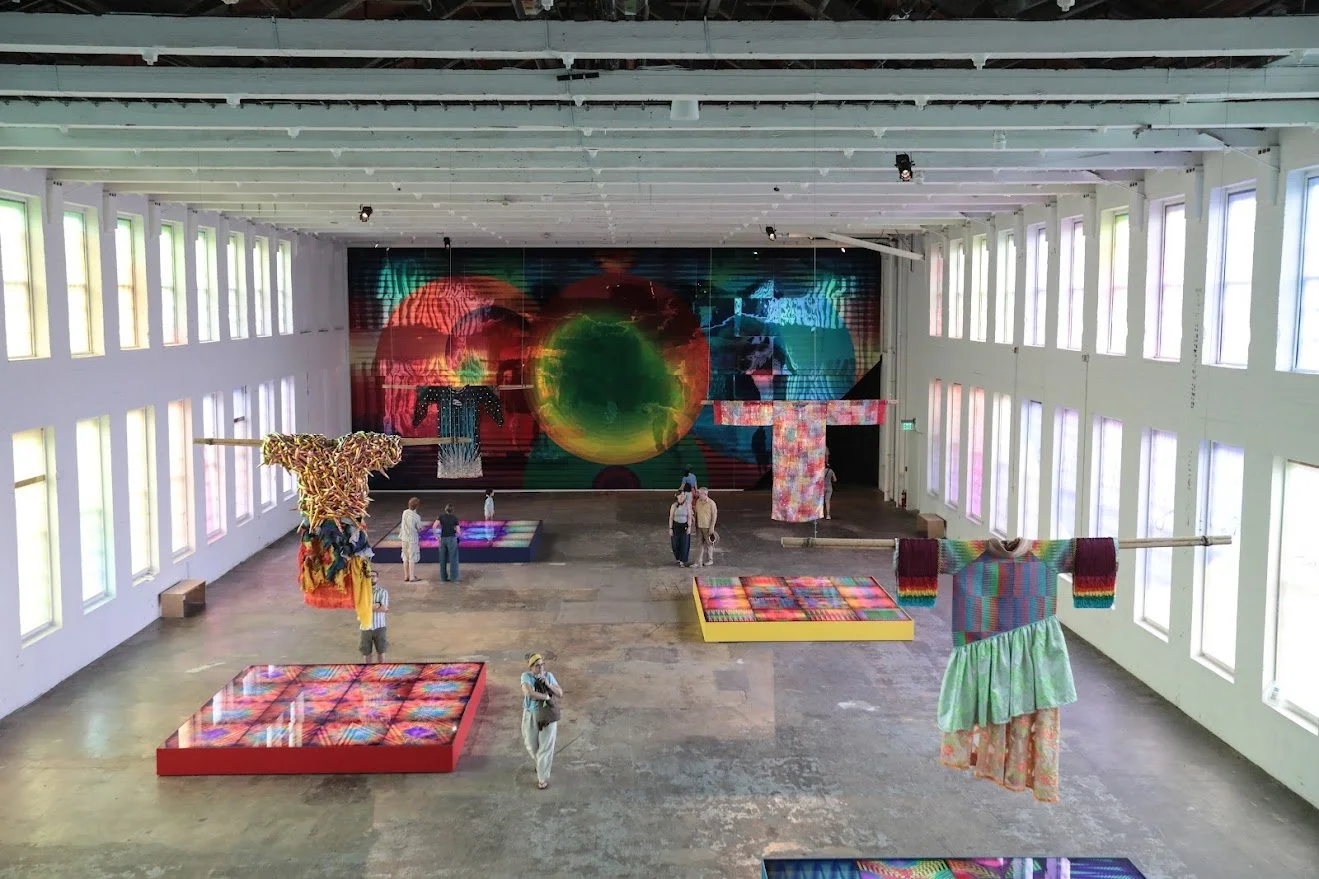
Rather than separating music from visual art, Solid Sound integrates visual art with the music, encouraging attendees to experience both. The exhibits at MASS MoCA this year included incredible works of art by Laurie Anderson. The Chalkroom, one of Anderson's exhibits, is a virtual reality installation comprising a series of rooms with walls covered in drawings and text in chalk that are reminiscent of the graffiti-covered bathroom at CBGB.
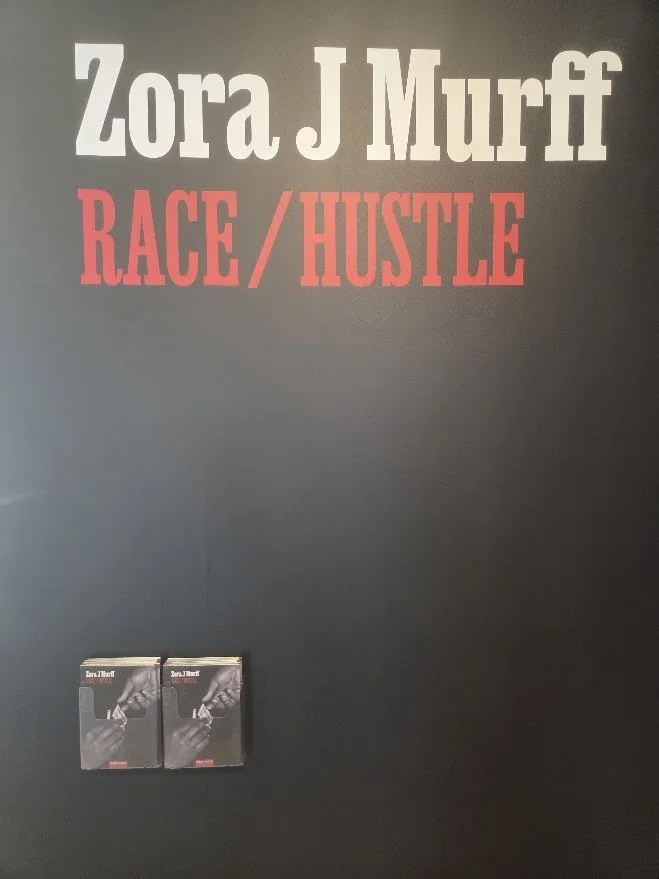
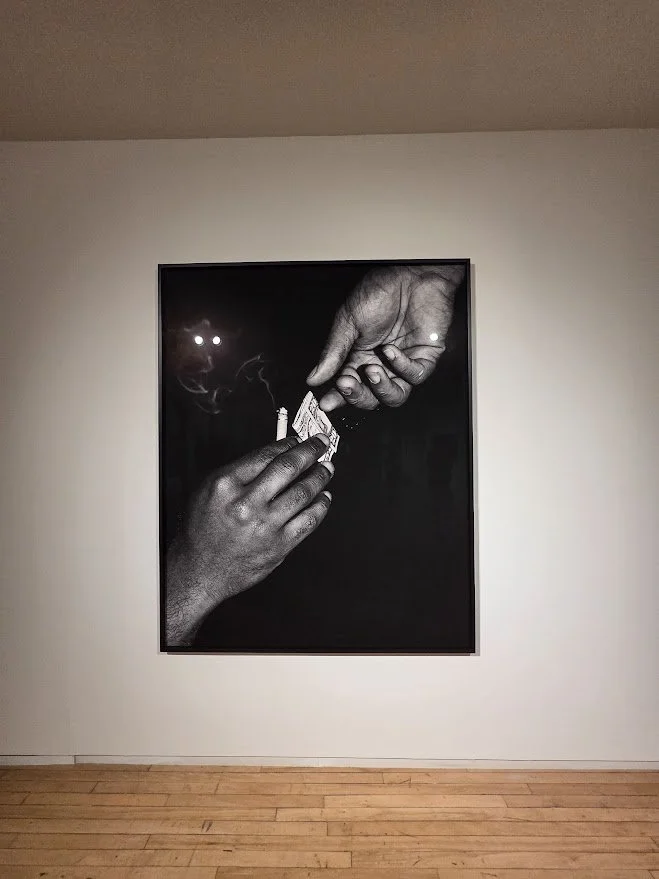
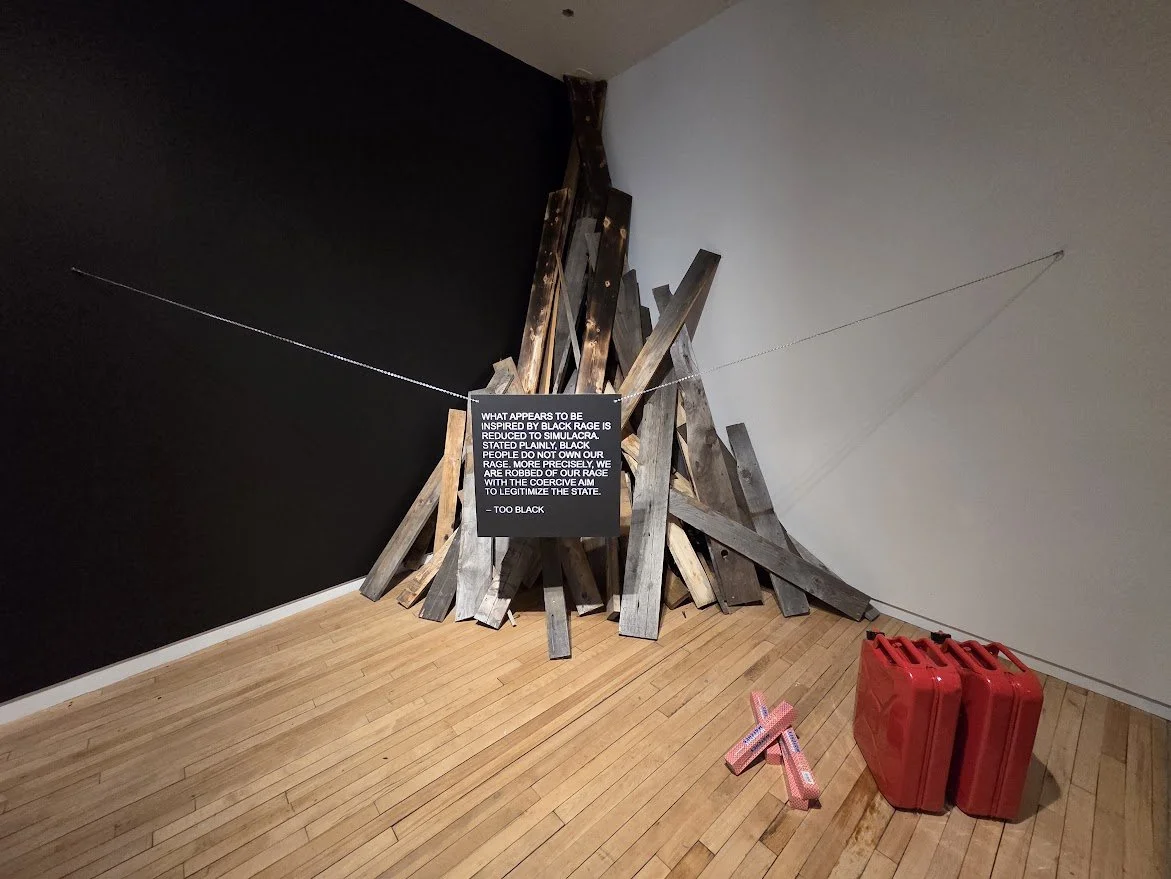
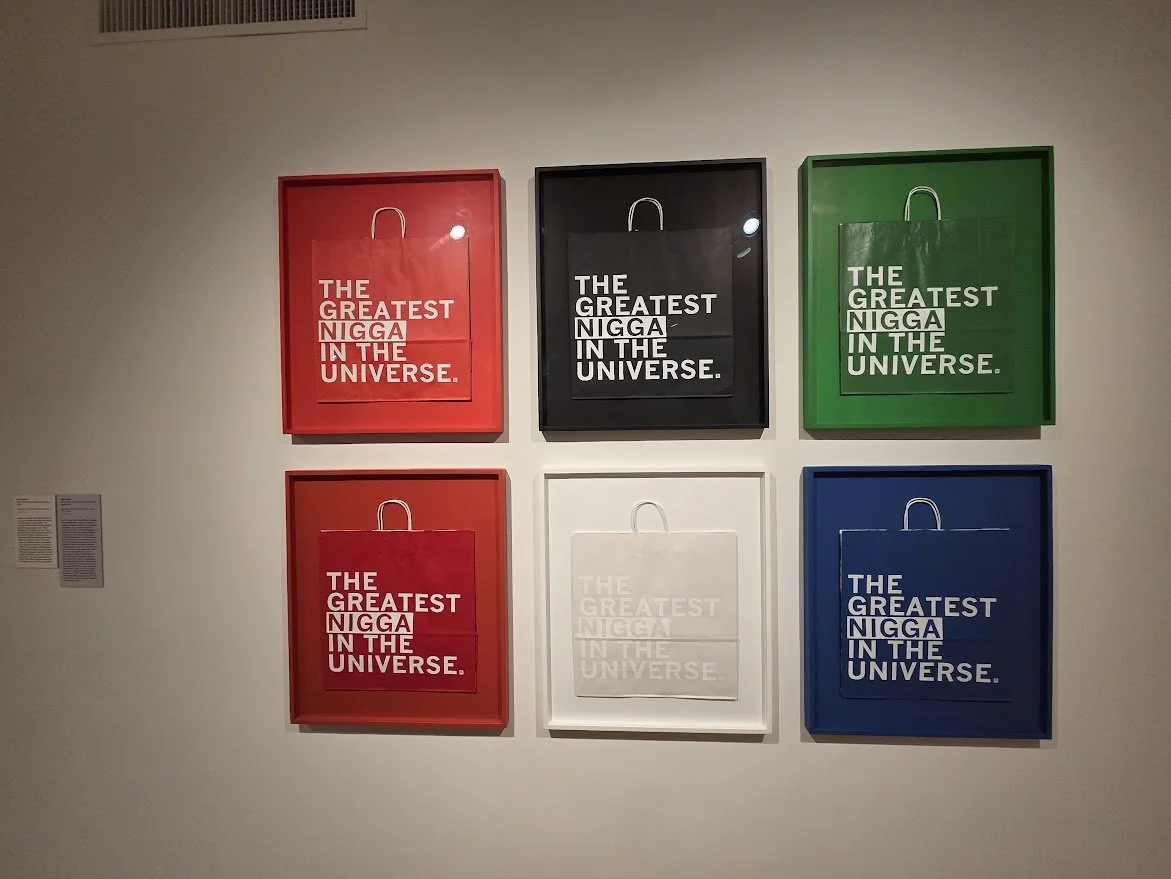
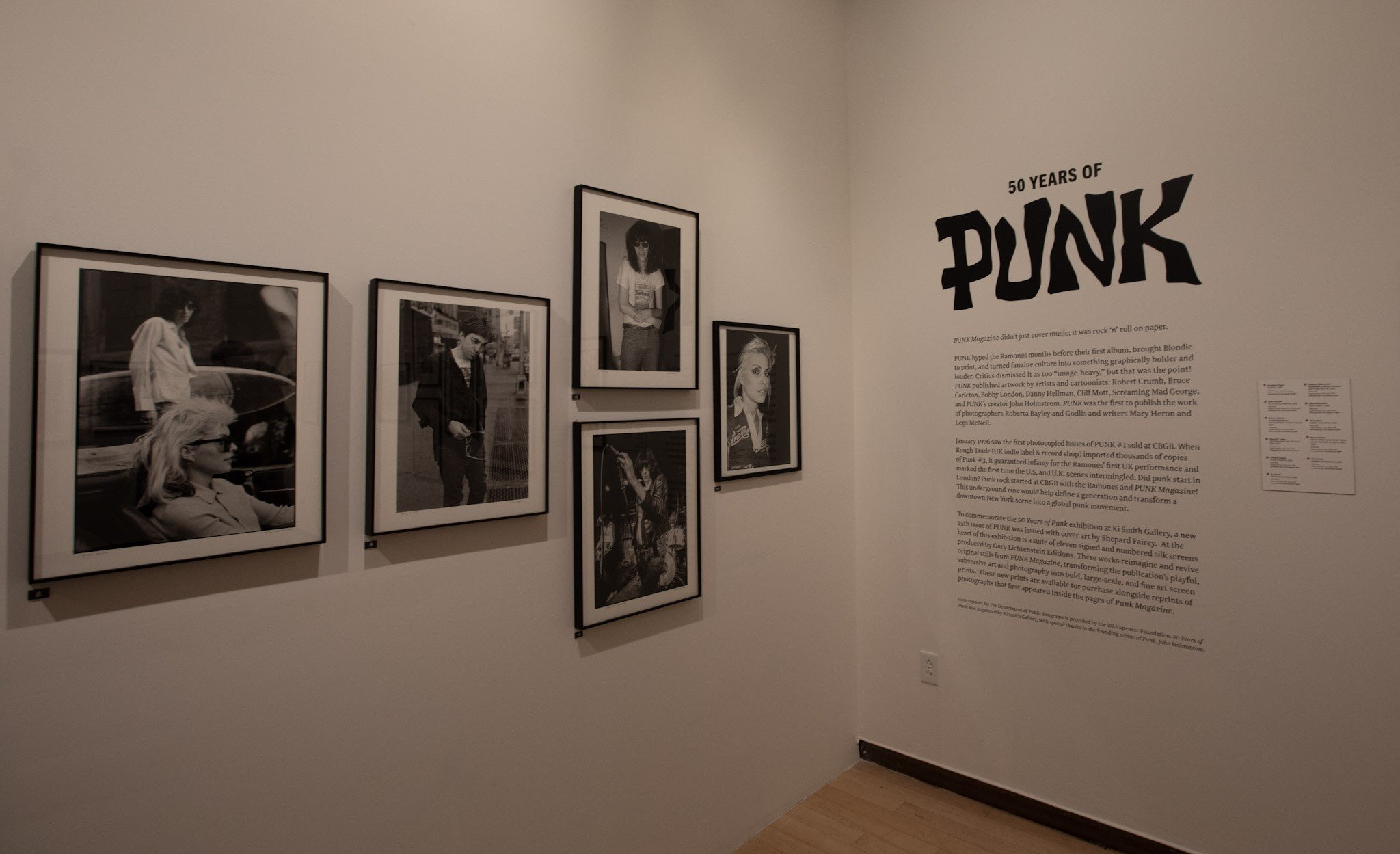
Also on display this year was a deeply powerful and provocative exhibit by Zora J. Murff titled Race/Hustle that explores oppression and violence in all its forms throughout history and into the present. Other exhibits, New York State of Mind and 50 Years of Punk, included iconic images and wonderful music photography. Taking advantage of all the incredible art at MASS MoCA adds a dimension to the festival that enhances the overall experience. The visual art puts the music in a larger context of expression and creativity that bring a certain gravitas and seriousness to the event.
Wilco typically performs two sets during the weekend, offering entirely different shows that reward long-time fans and newcomers alike. Wilco side projects appear alongside full-band performances. Rather than repeating familiar greatest hits, Wilco embraces discovery, performing something unique and often unexpected at each performance.
Wilco's Nels Cline, Mikael Jorgensen, John Stirratt, and Pat Sansone all presented interesting bands and side projects throughout the weekend. One of the most heartwarming moments was the screening of the trailer for Mikael Jorgensen's forthcoming film, Restless: The Bob James Story. James, a legendary keyboardist widely recognized as one of the founding fathers of smooth jazz and a massive influence on hip-hop history, worked with Jorgensen's father, recording some of the greatest musicians in the best recording studios in New York City. As a child, Mikael was part of that experience. In addition to presenting the movie trailer, James and Jorgensen unexpectedly opened the second Wilco set on Saturday night with a keyboard duet, one of many touching moments that placed genuine love of music and community before flash and spectacle.
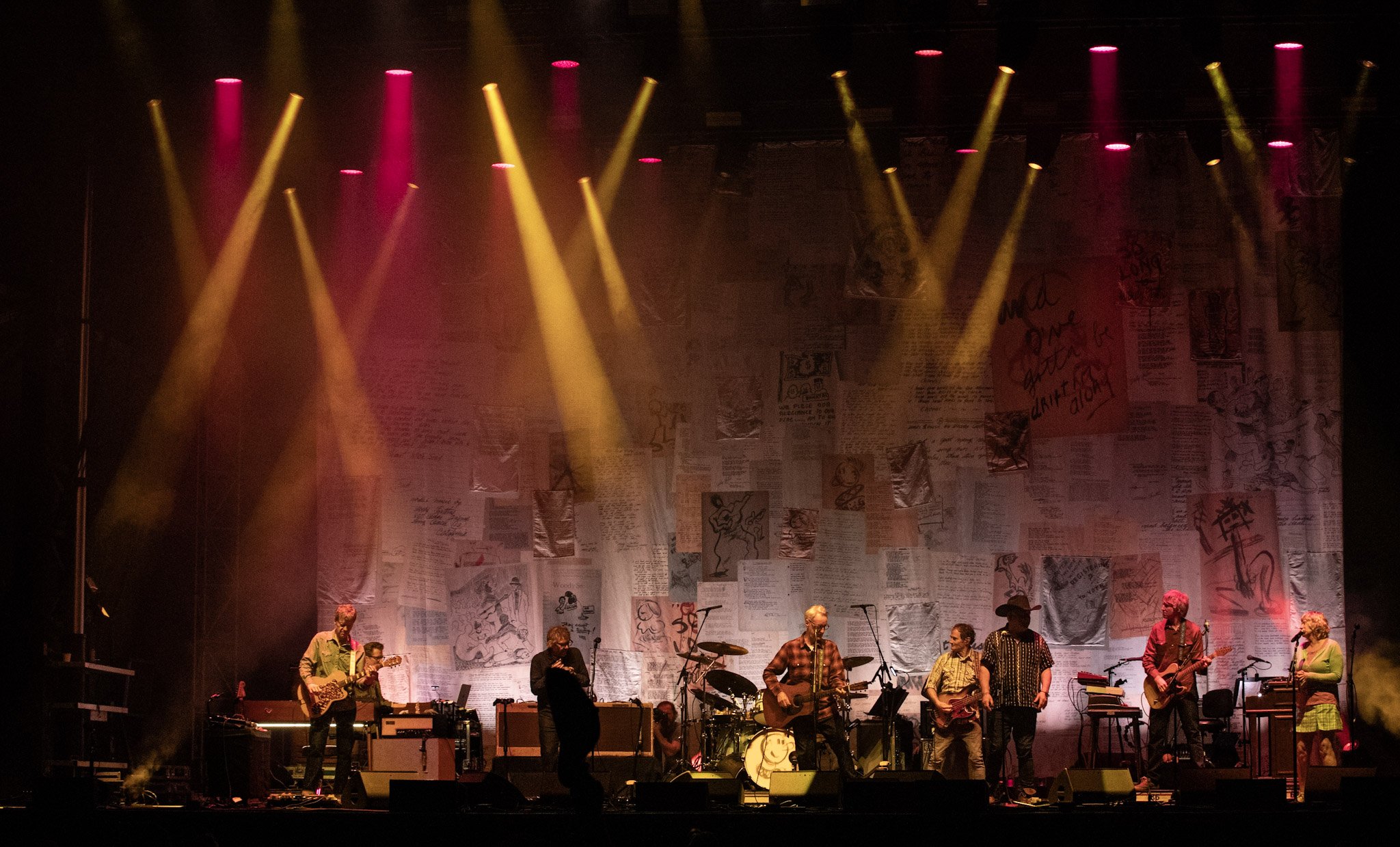
2026 was particularly special for Wilco fans and highly anticipated, as the album Mermaid Avenue, Wilco's collaboration with Billy Bragg featuring Woody Guthrie songs, would be performed publicly for the first time. As has become the custom at Solid Sound, Wilco played two shows, both spectacular in different ways, showing off the band's dexterity, power, and charm. Mermaid Avenue set the tone for the weekend, focusing on unity, community, and family. Billy Bragg and Wilco, with the help of a variety of guests including Nora Guthrie, Woody Guthrie's daughter, Natalie Merchant of 10,000 Maniacs, John Langford, Sally Timms of the Mekons, and others, brought Mermaid Avenue and the spirit of Woody Guthrie to life. Highlights included the beautiful "California Stars" with Natalie Merchant and "Way Over Yonder in the Minor Key," also with Merchant. The set closed with a sing-along version of "This Land Is Your Land," with lyrics provided to everyone via the Solid Sound app. Although there wasn't much political talk from the stage, there were plenty of references to the state of our union and Woody Guthrie’s message of fellowship, resistance, community, and the power of music.
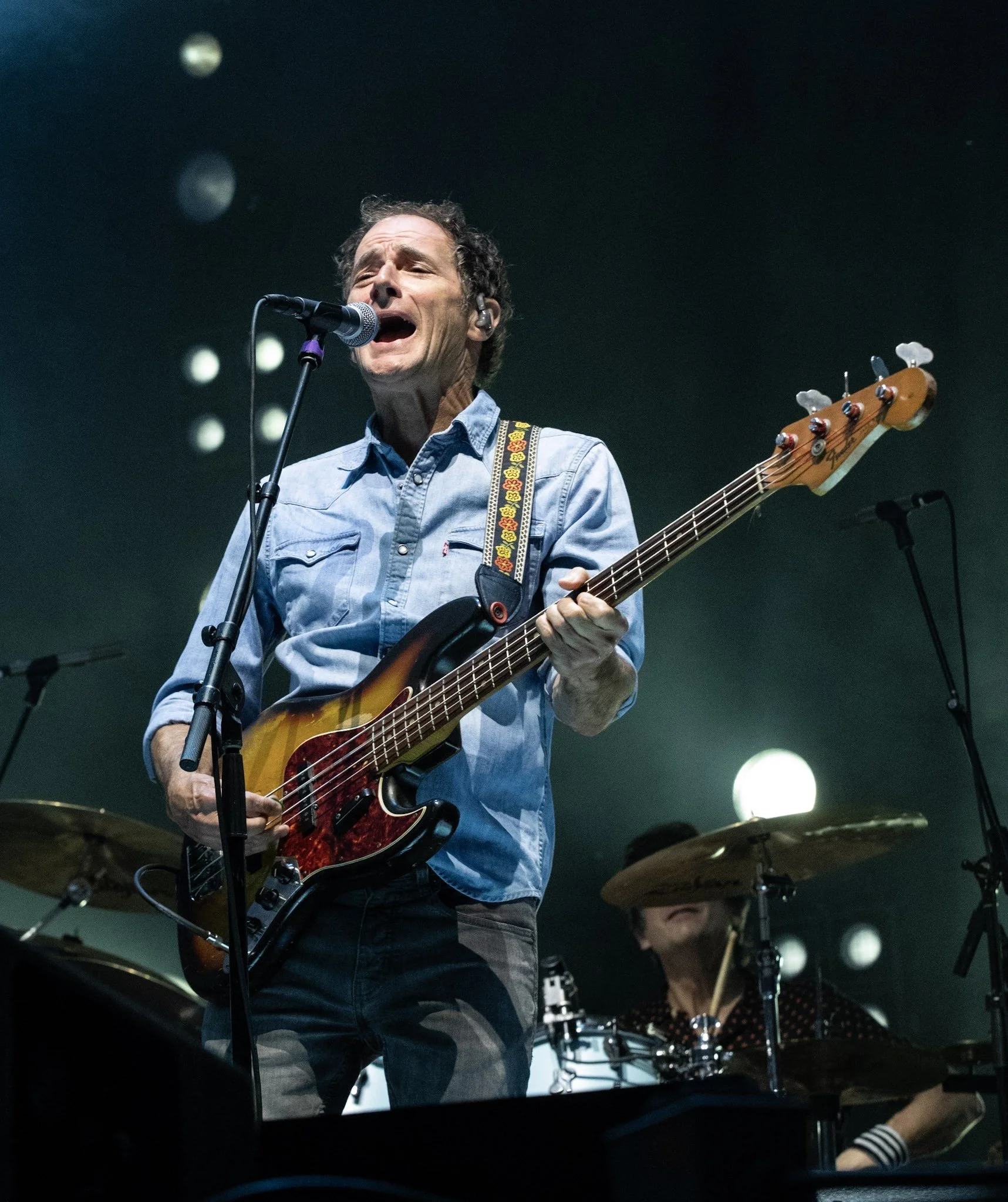
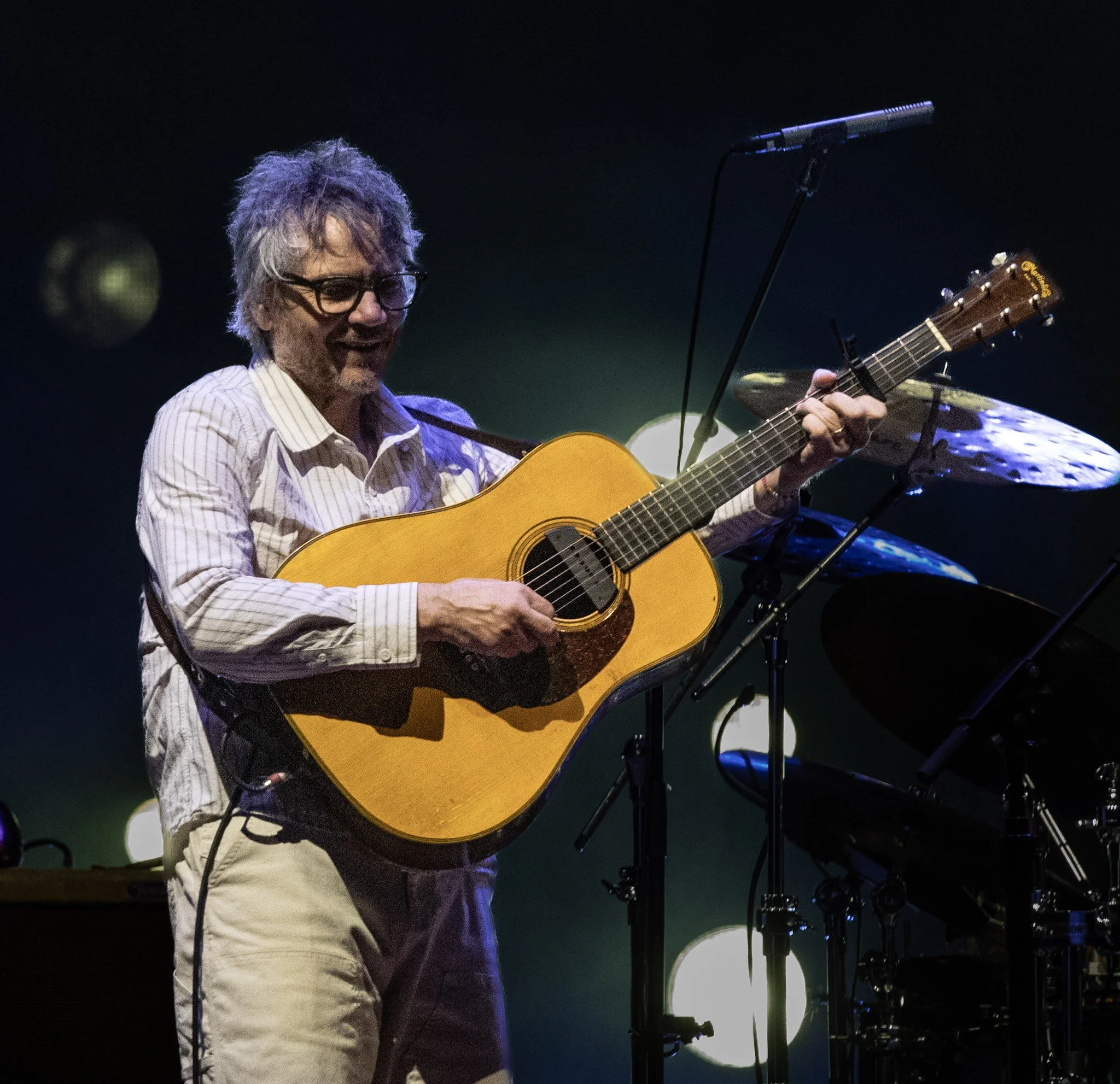
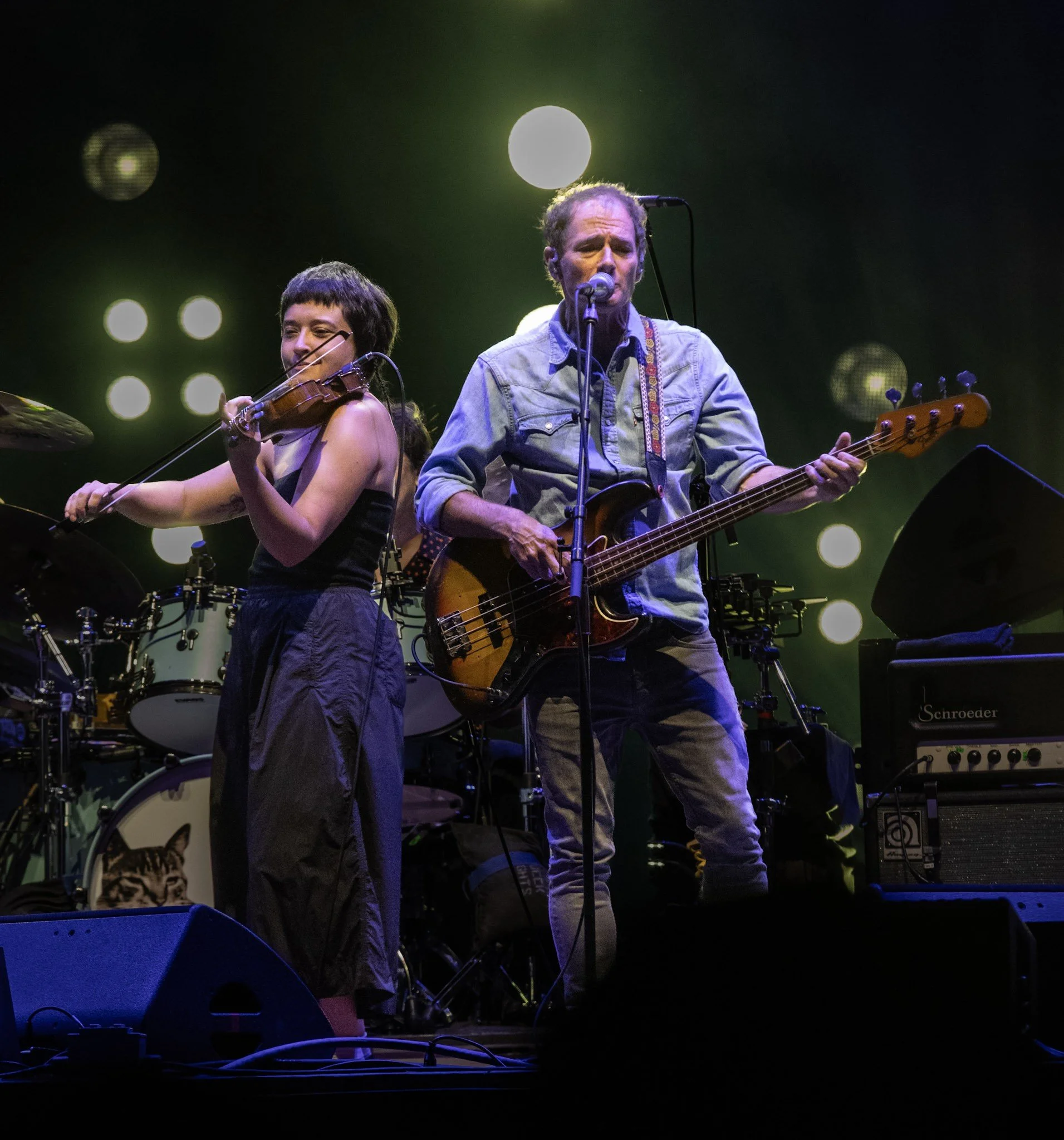
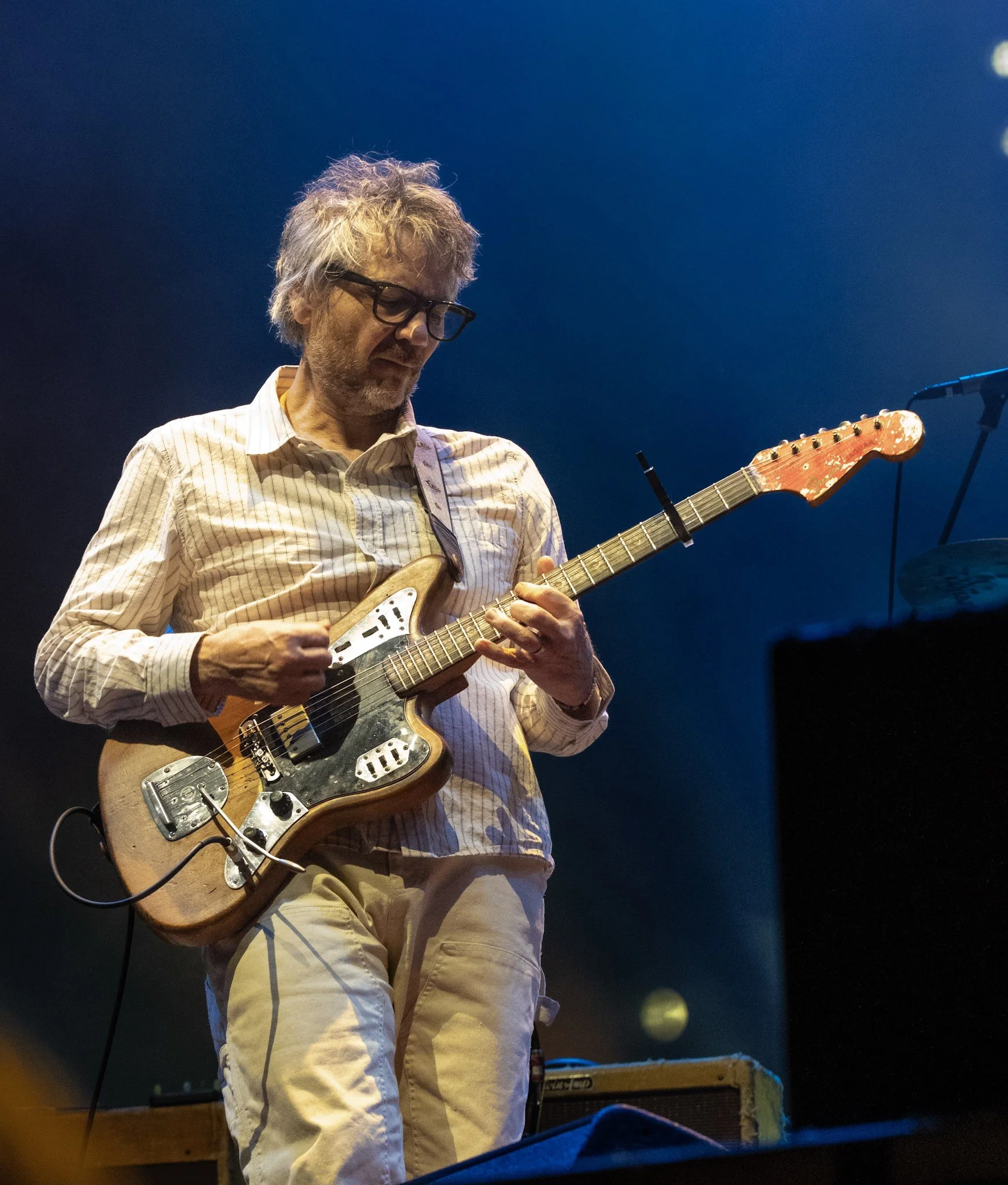
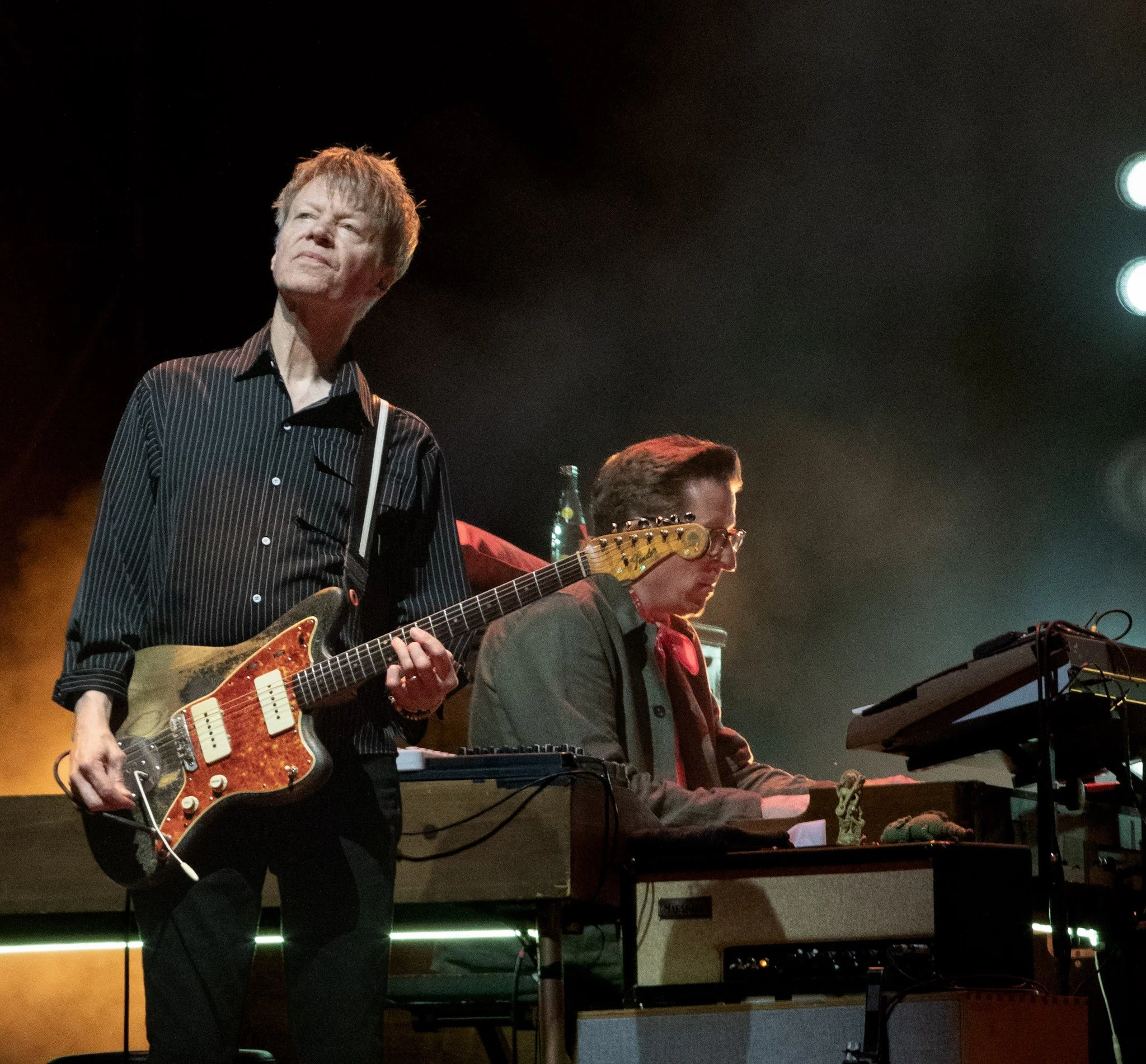
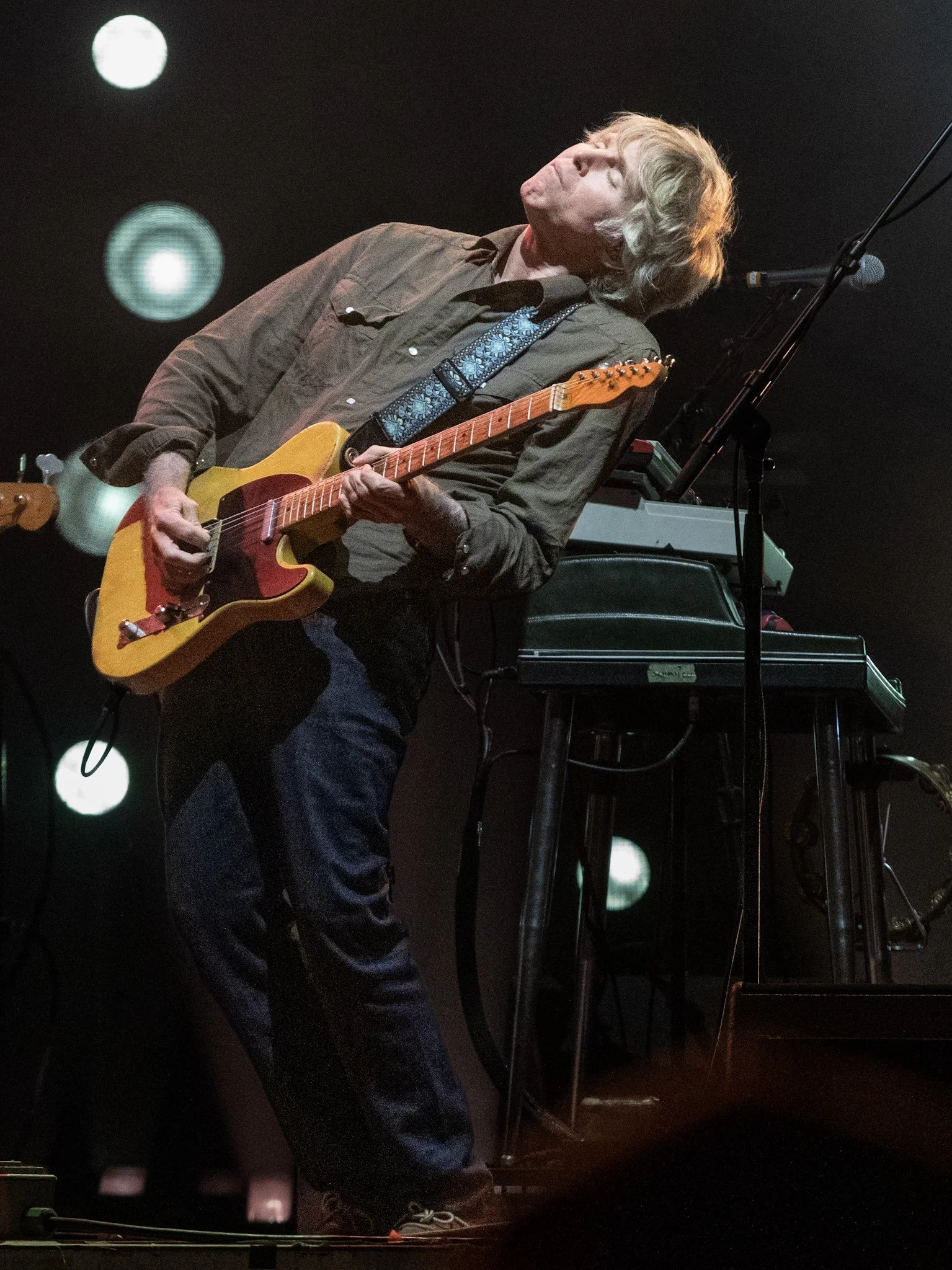
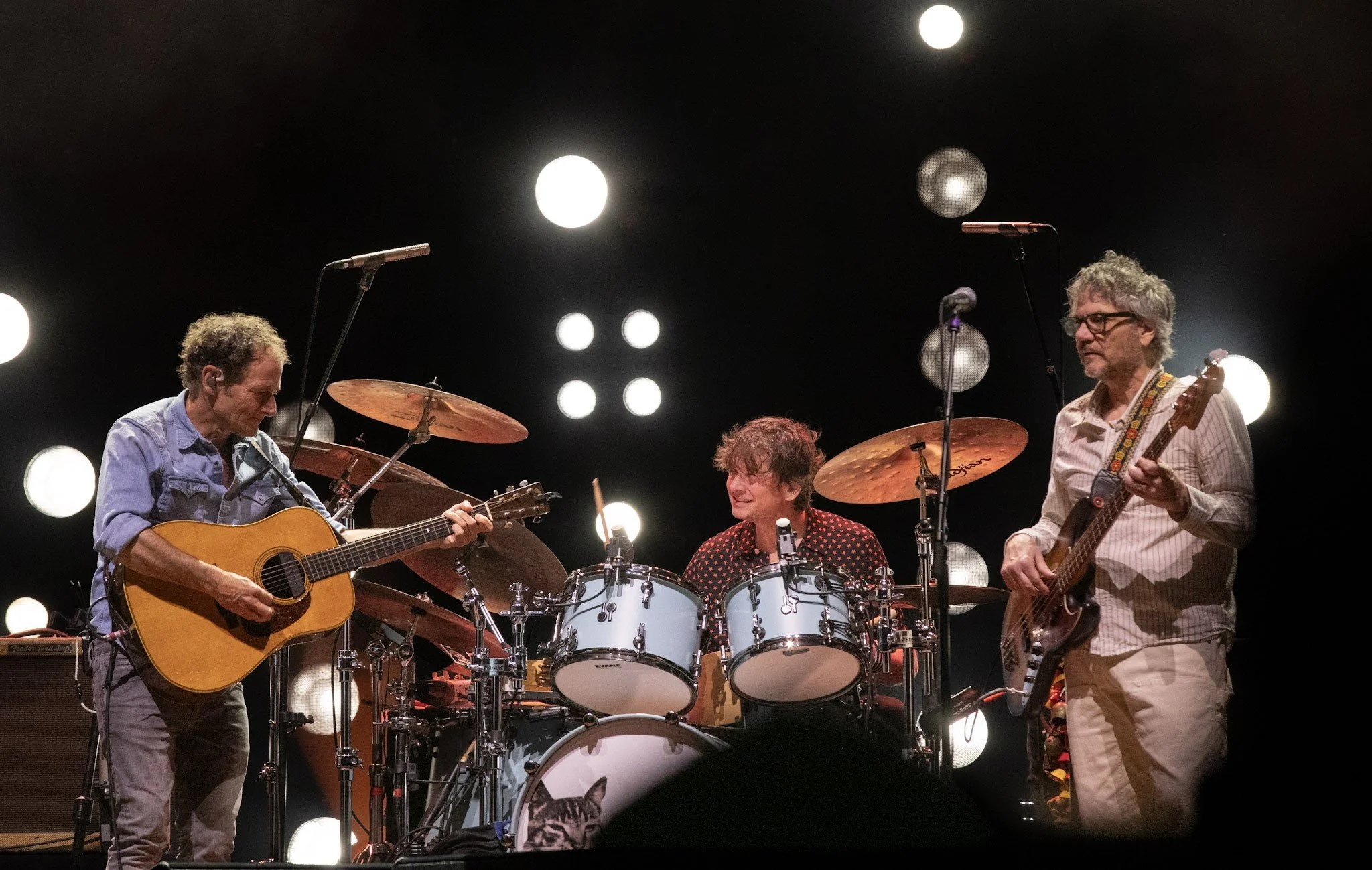
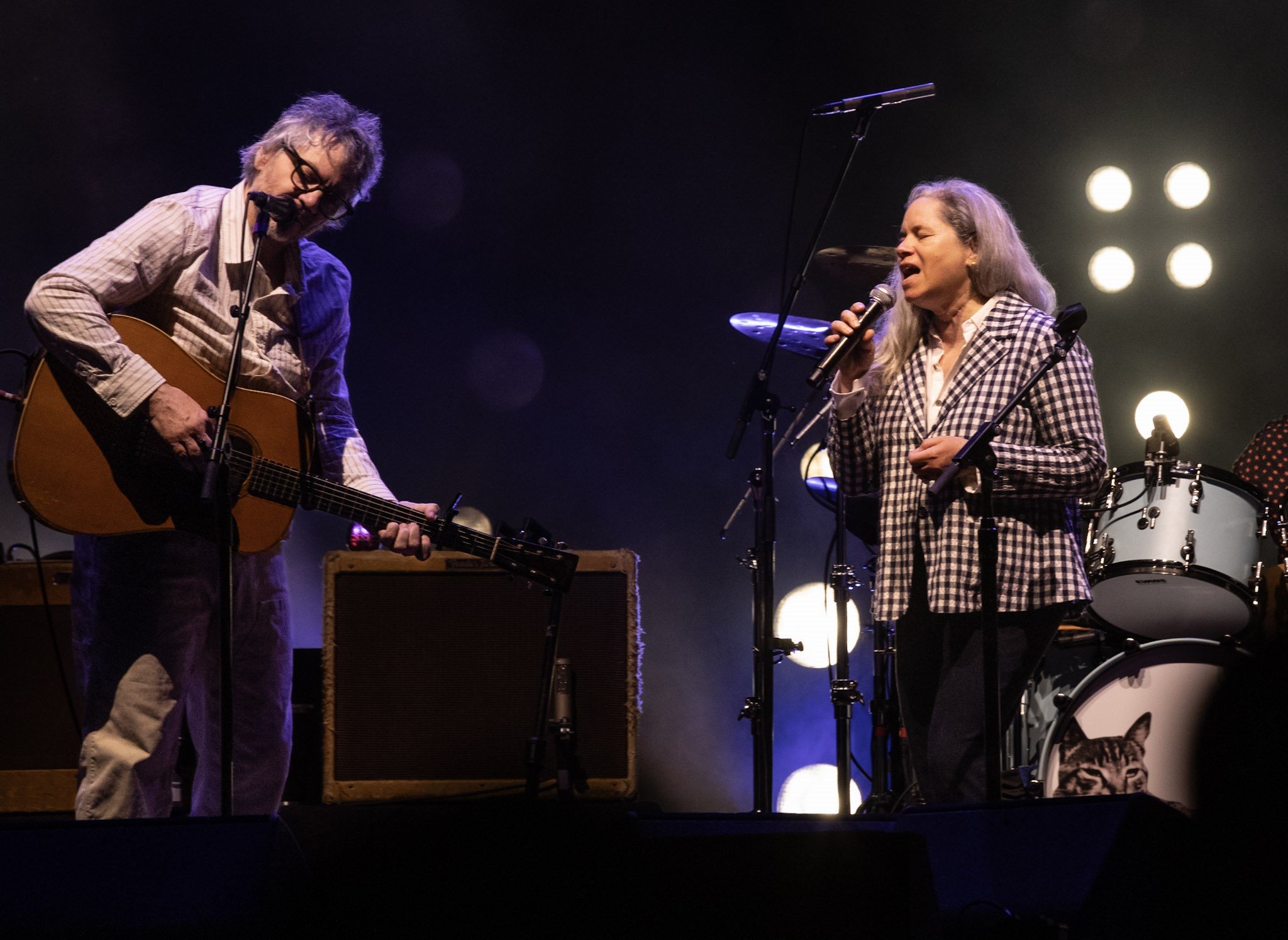
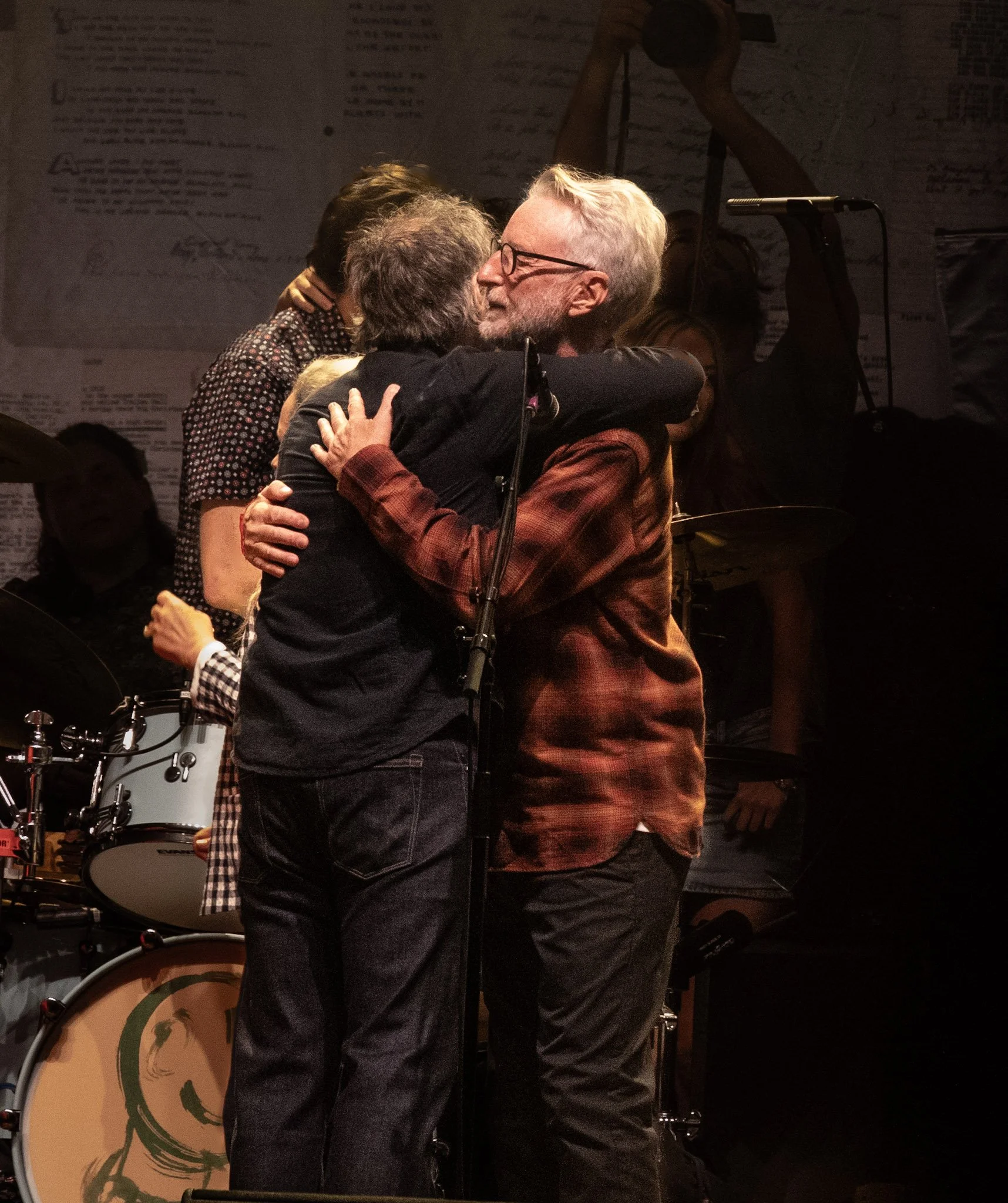
If night one was touching in a way that was inclusive, folksy, and unpretentious, Wilco's second set on Saturday night was downright explosive. Playing some of their best songs along with several new compositions, Wilco delivered what may have been one of their best live shows in recent memory. In addition to the high level of musicianship on stage and a fantastic setlist, it was clear the band was moved by the moment. You could hear and see the chemistry on stage, and the sense of joy was transferred directly to the audience. In a conversation with guitarist Pat Sansone the following day, Sansone confirmed that the feeling of something very special was evident to him before he even stepped on stage.
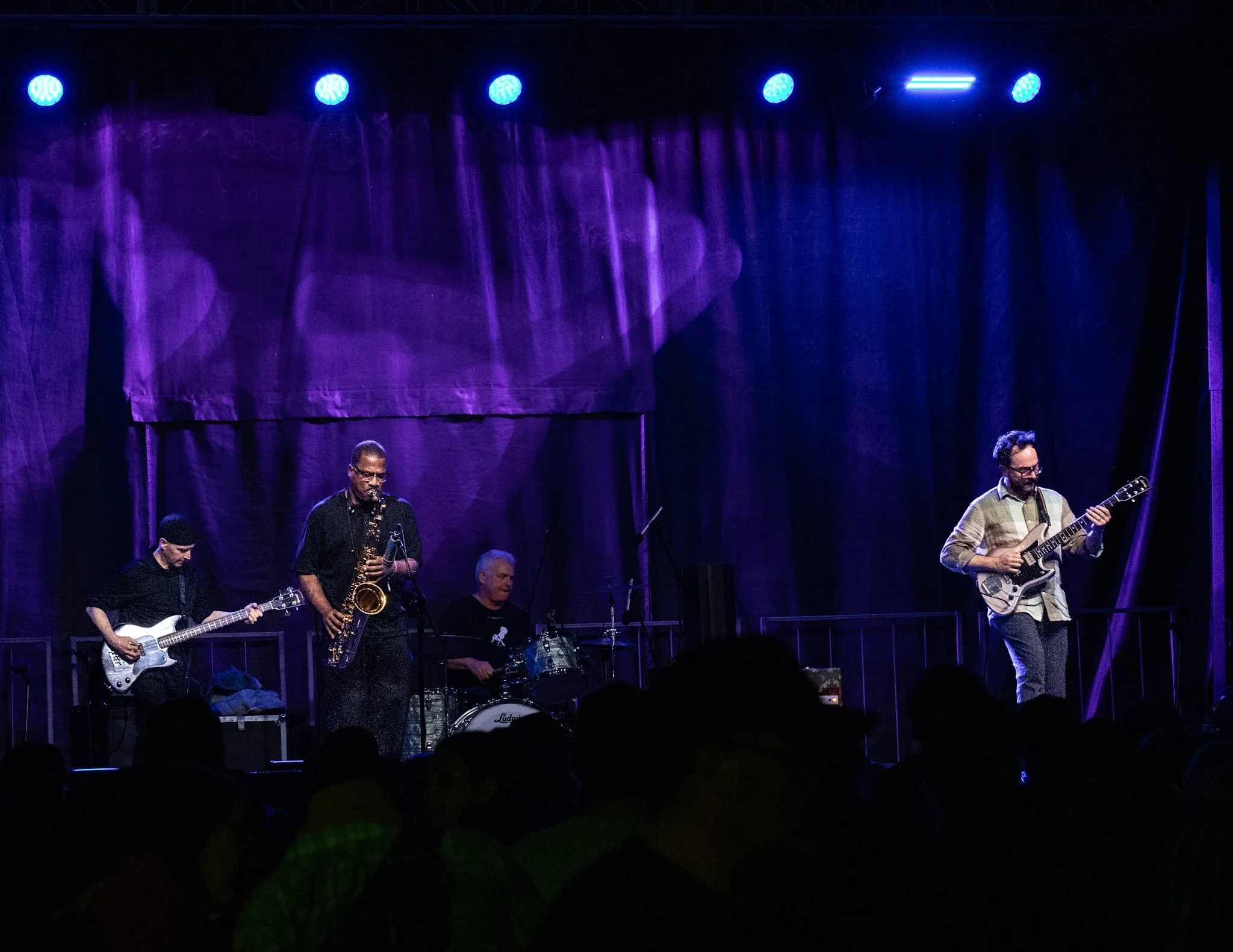
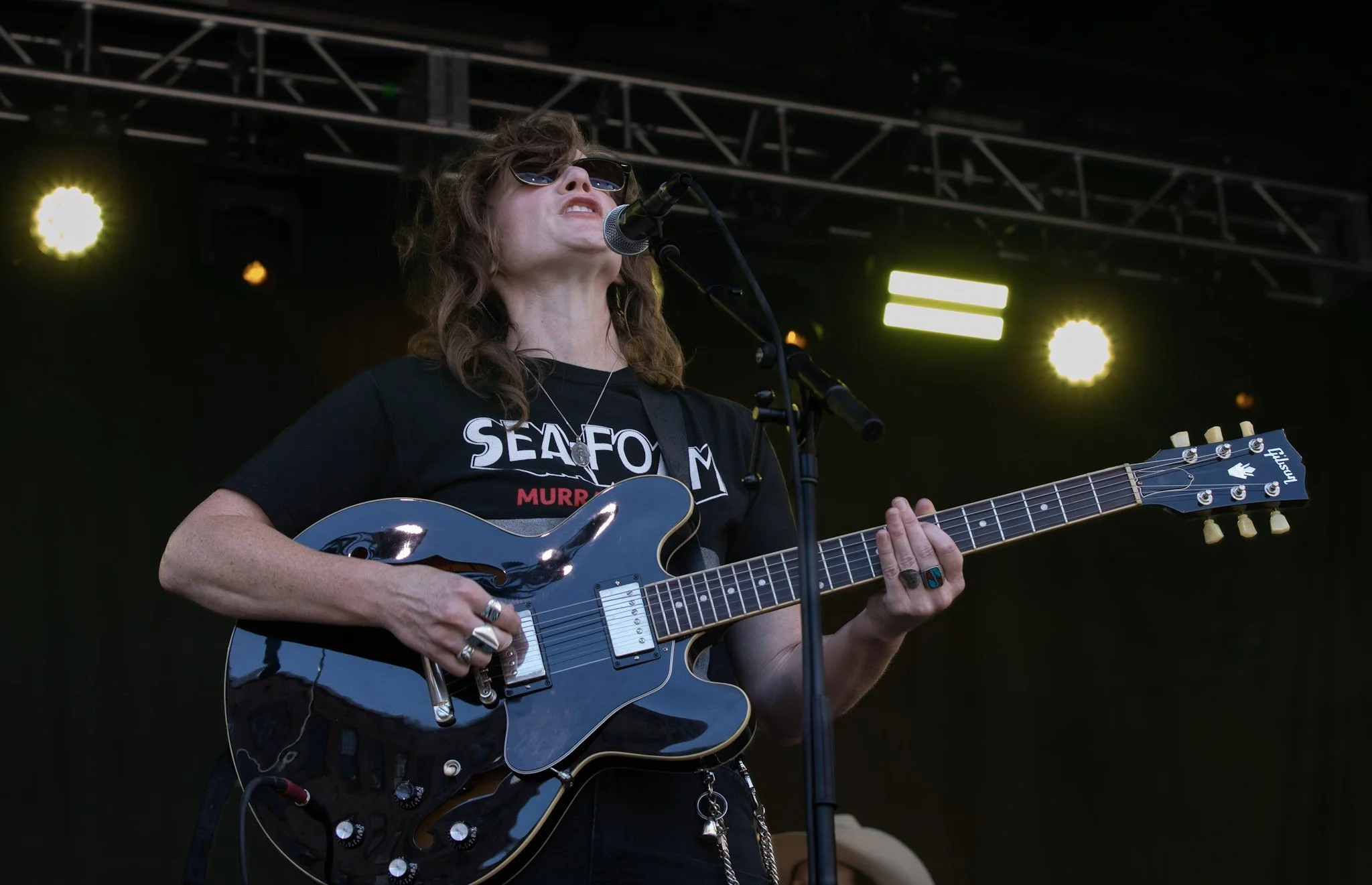
Although Wilco pretty much stole the show at Solid Sound 2026, there were many other musical highlights, including The Messthetics and James Brandon Lewis, a fusion of experimental punk rock with avant-garde jazz featuring guitarist Anthony Pirog, bassist Joe Lally, drummer Brendan Canty, a member of the seminal post-hardcore band Fugazi, and acclaimed jazz tenor saxophonist James Brandon Lewis.
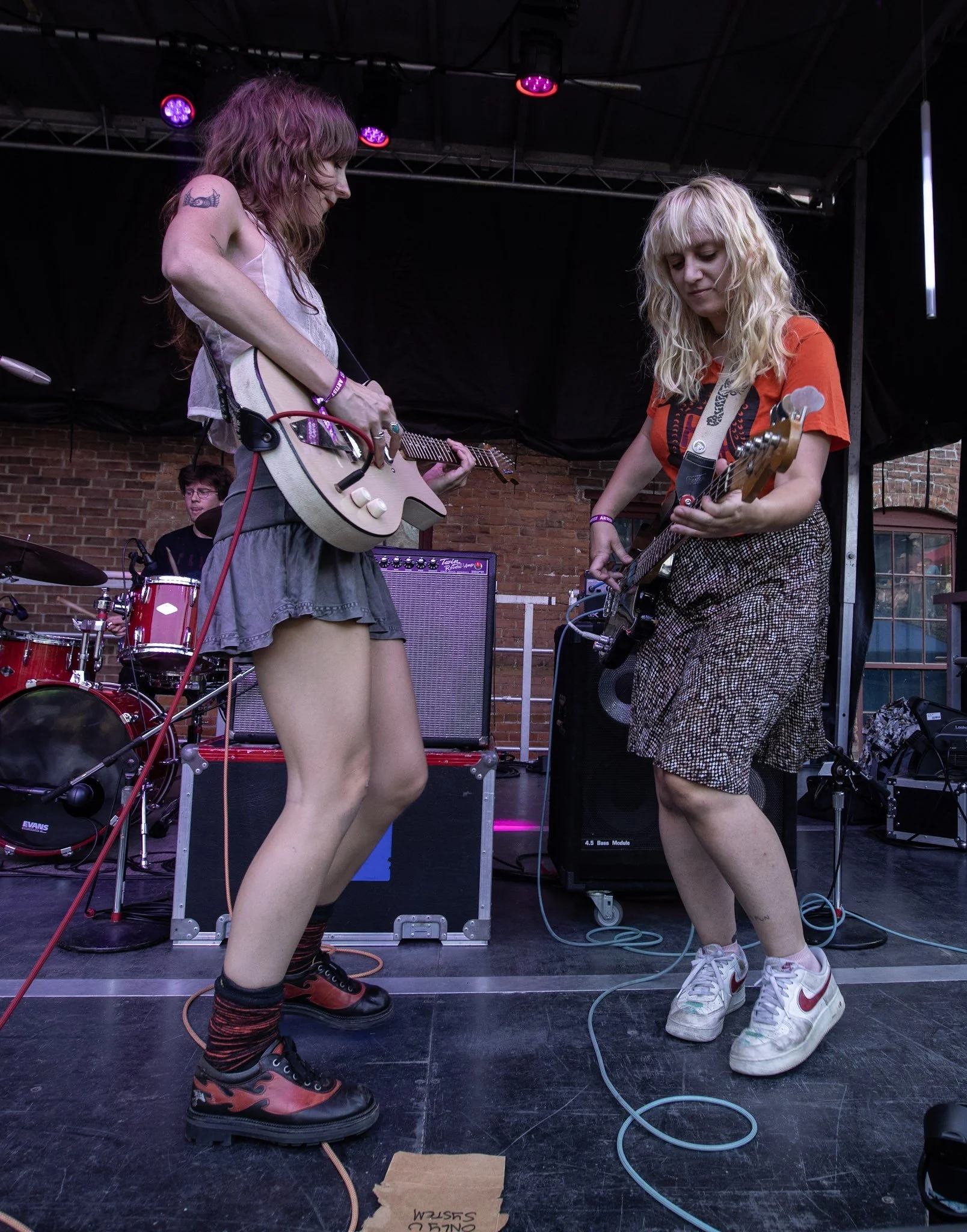
Both late-'80s alternative rock darlings The Breeders and Gang of Four played exciting sets and Chicago-based power-pop band Sharp Pins played a commanding set of high-energy rock that was at times reminiscent of early Who.
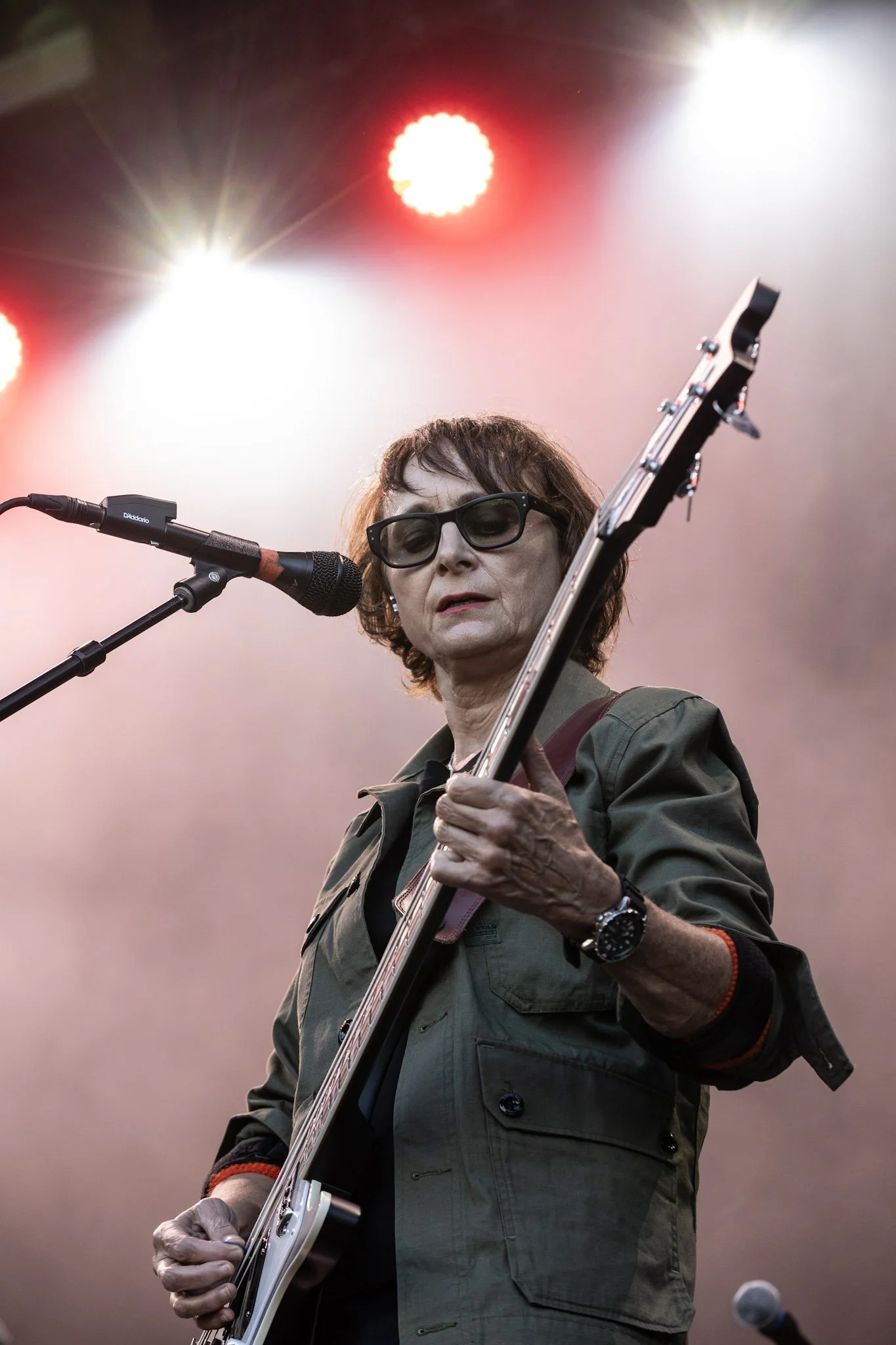
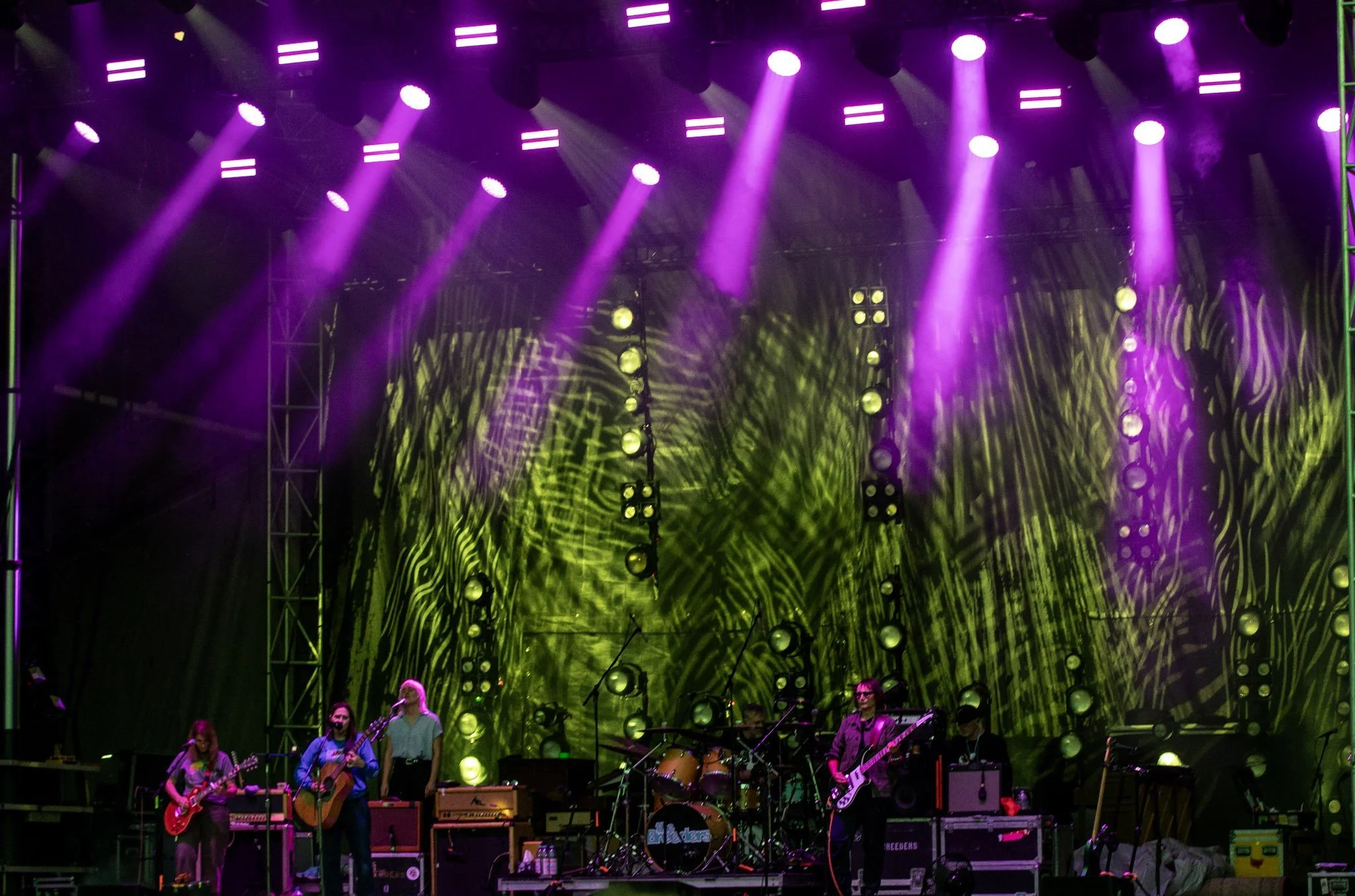
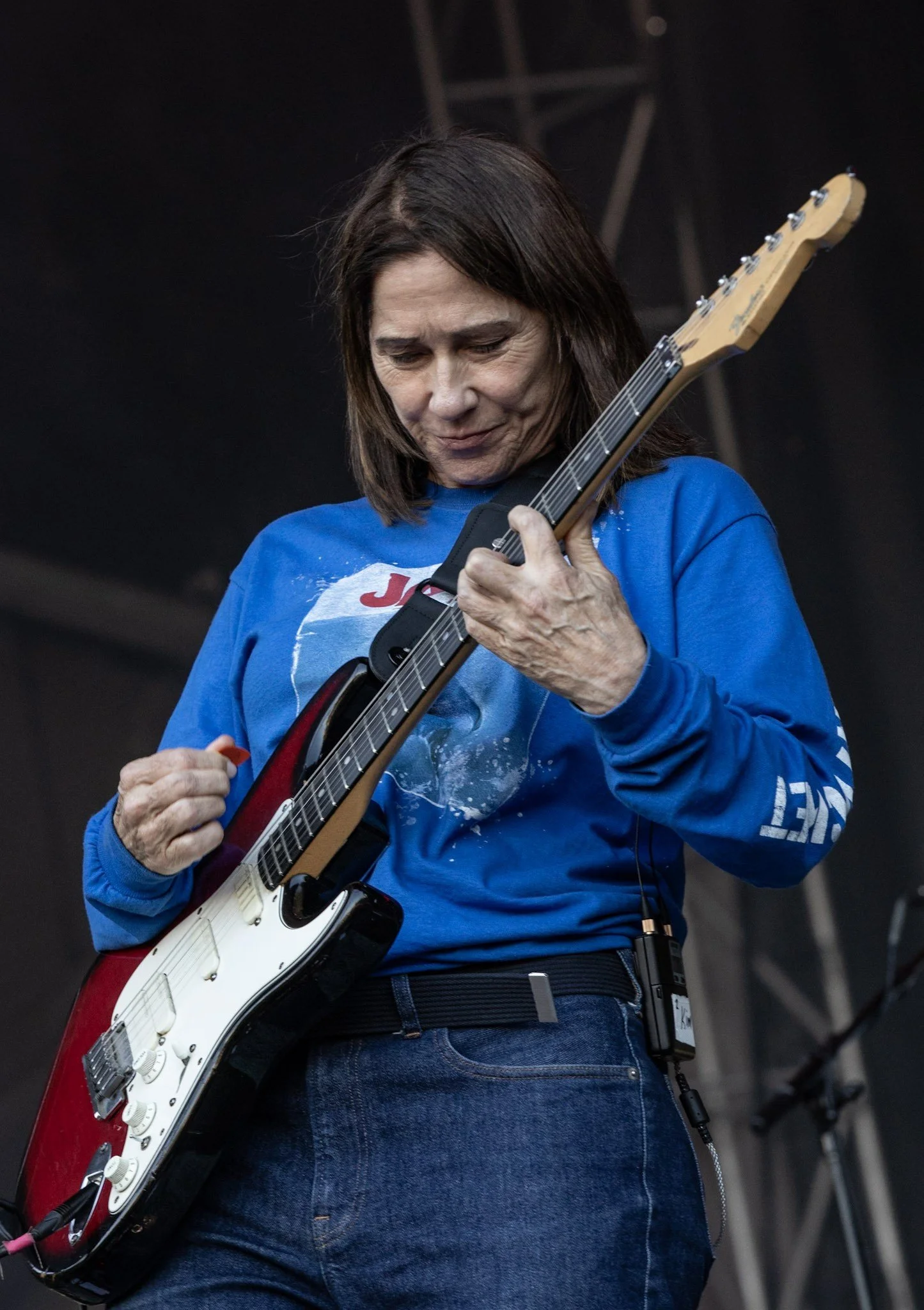
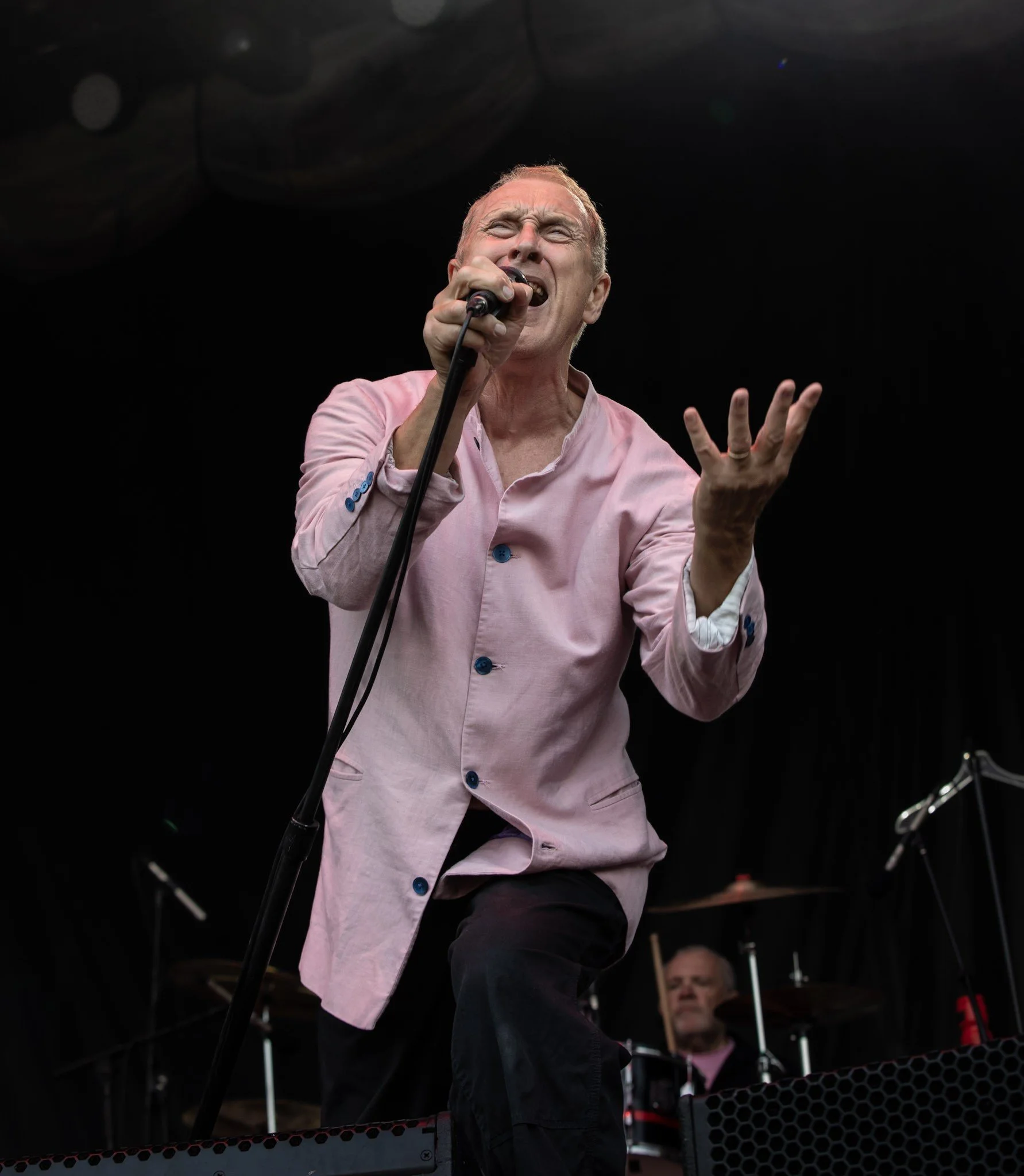
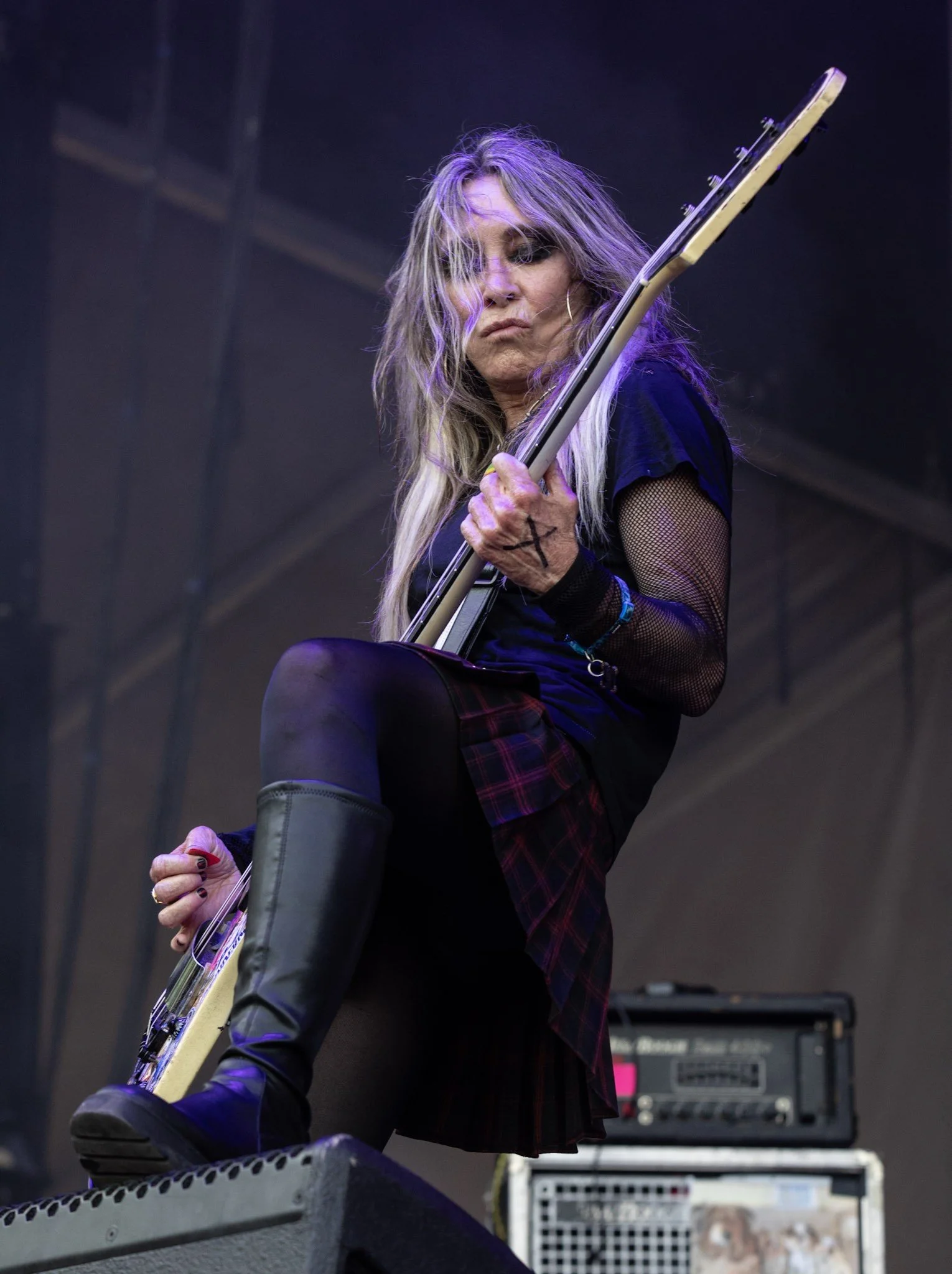
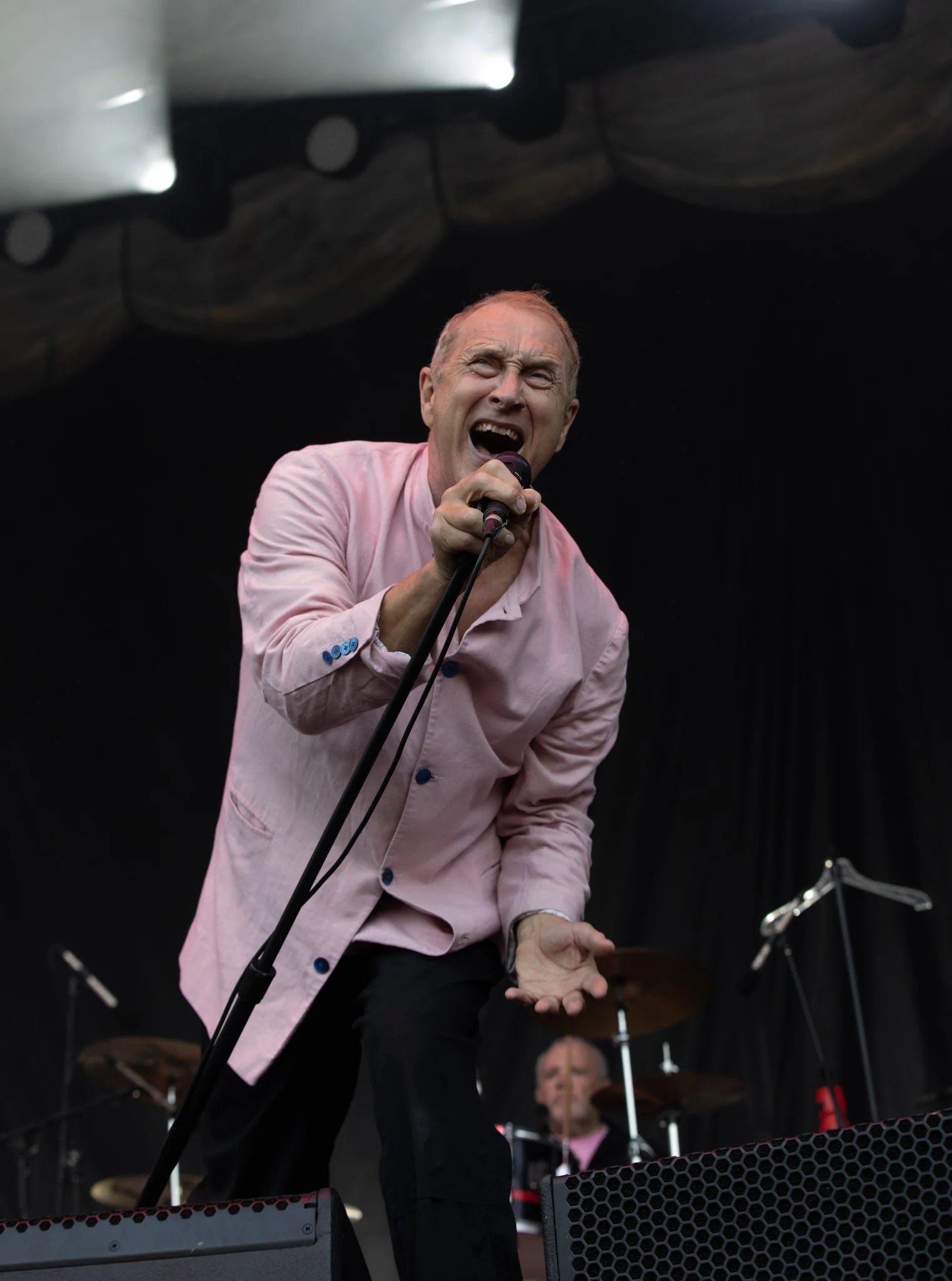
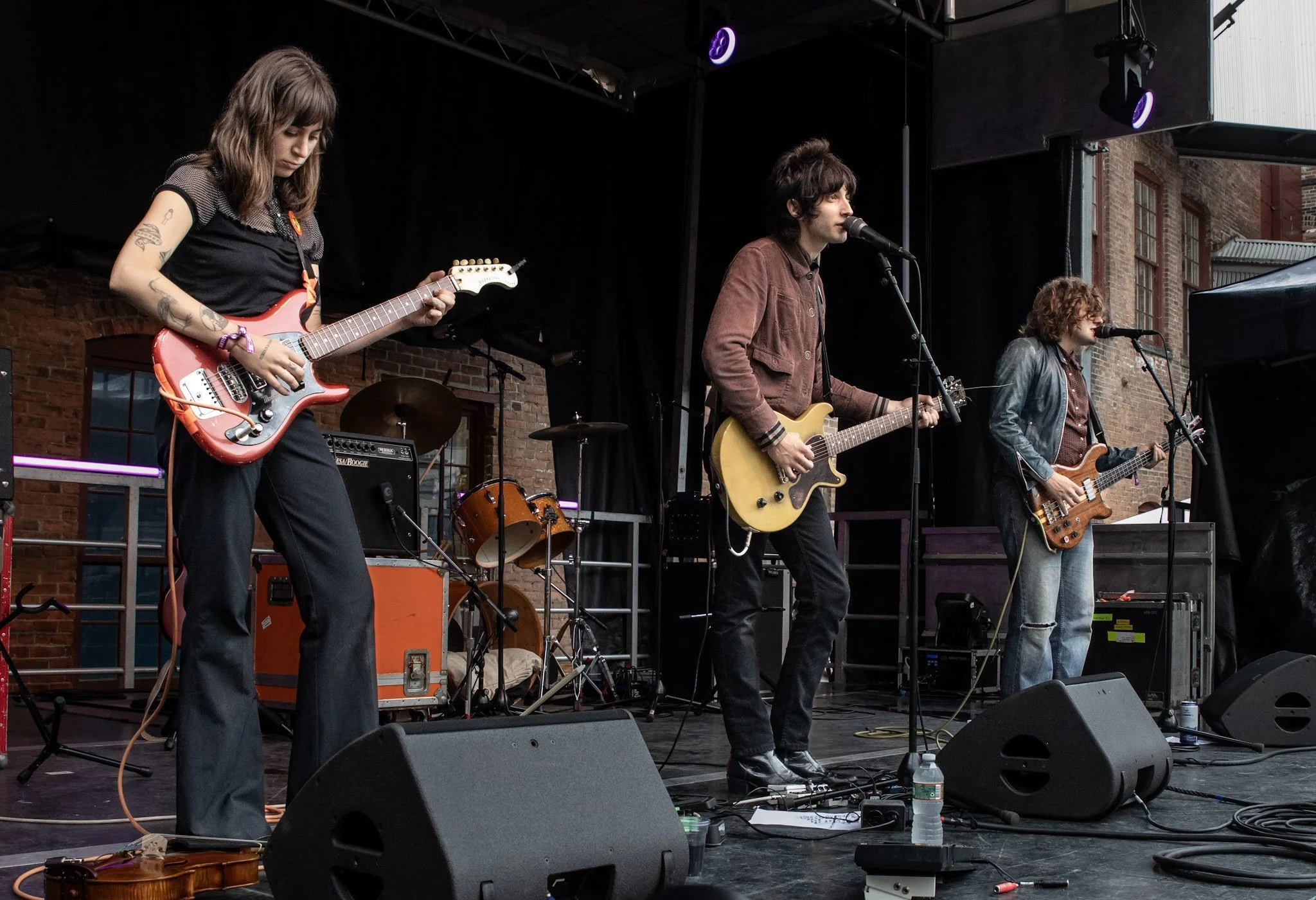
Both S. G. Goodman and Ryan Davis and the Roadhouse Band were also big crowd-pleasers, who delivering a brand of rocking Americana that left everyone in attendance at their sets in Courtyard D smiling from ear to ear.
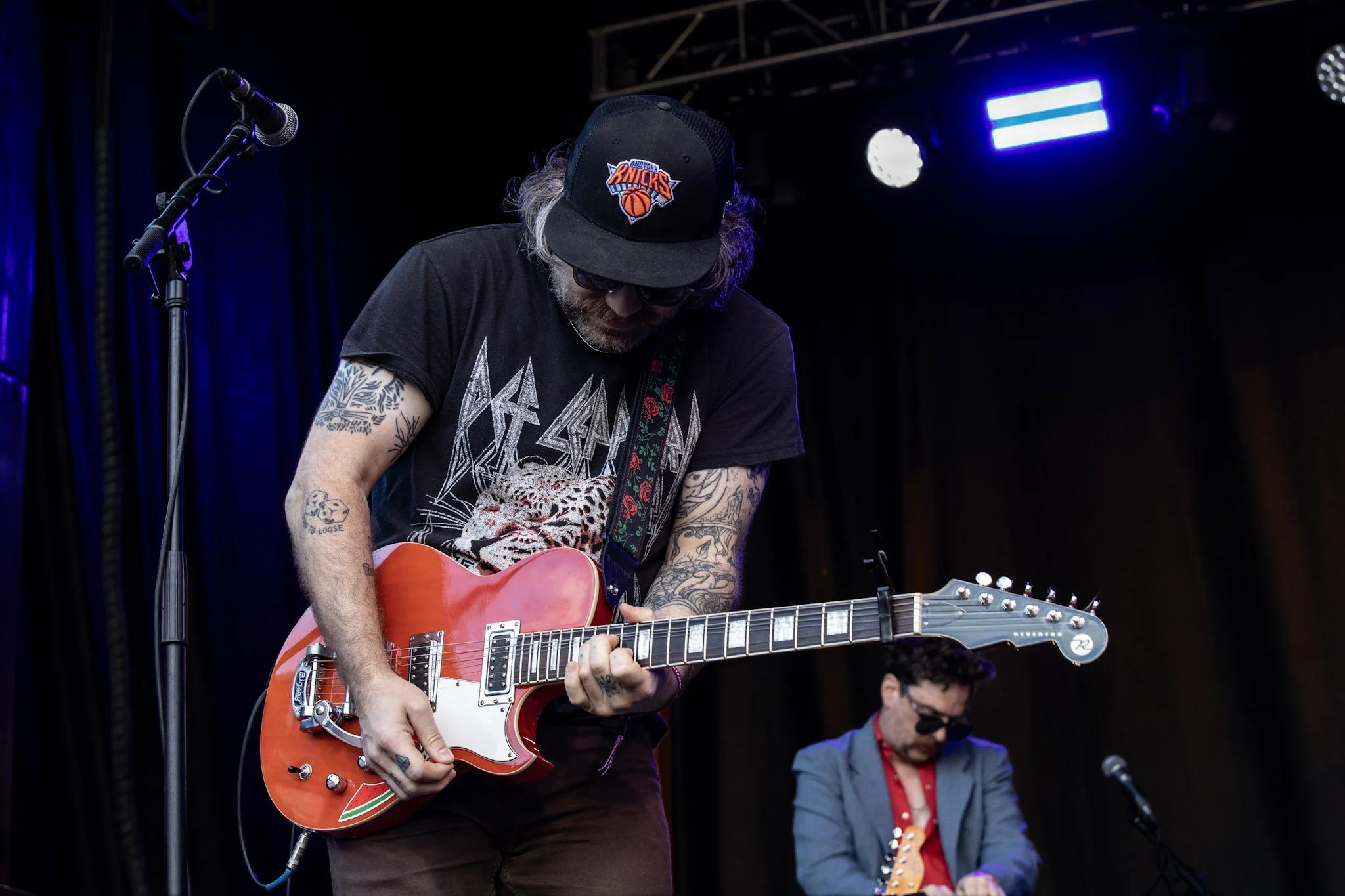
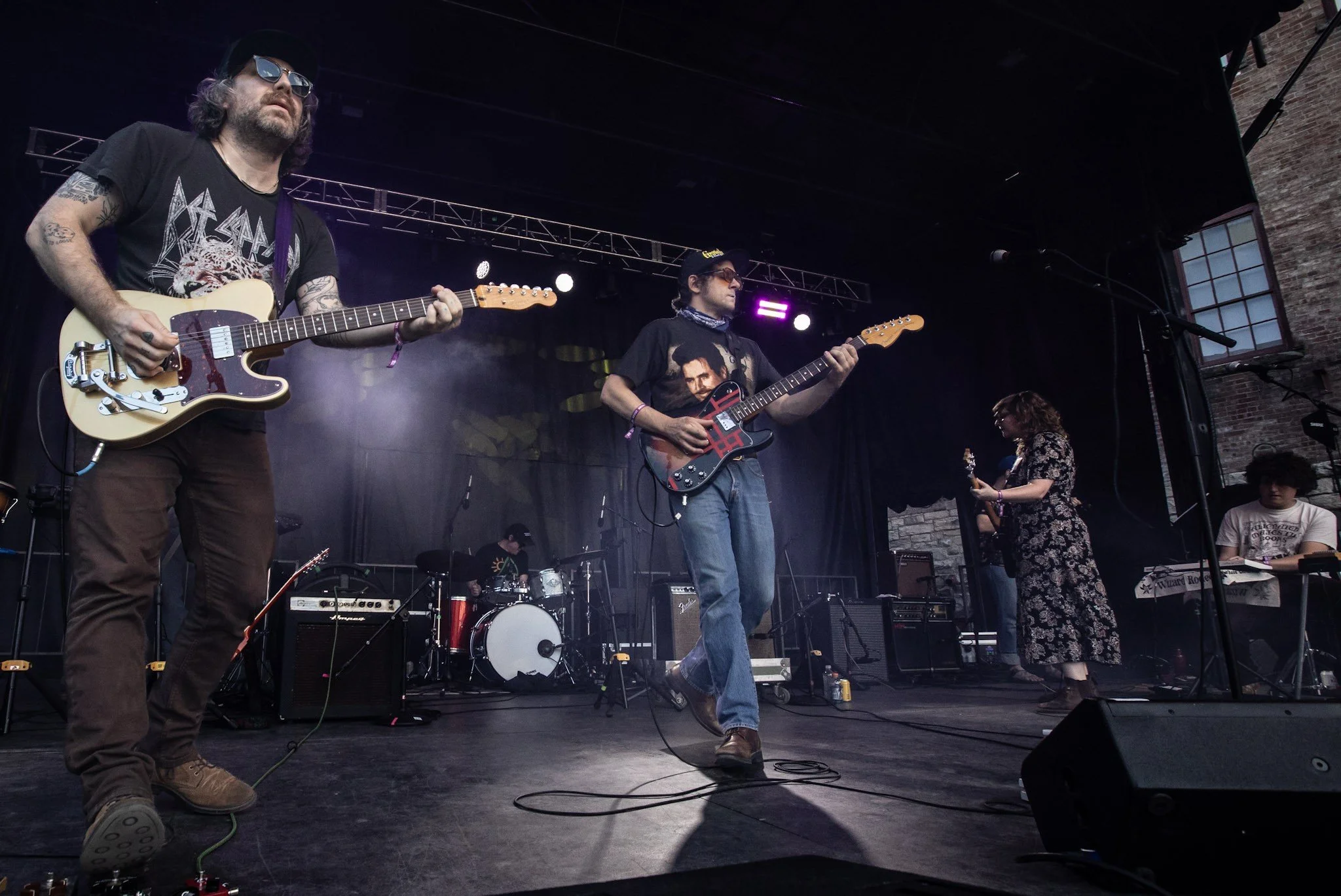
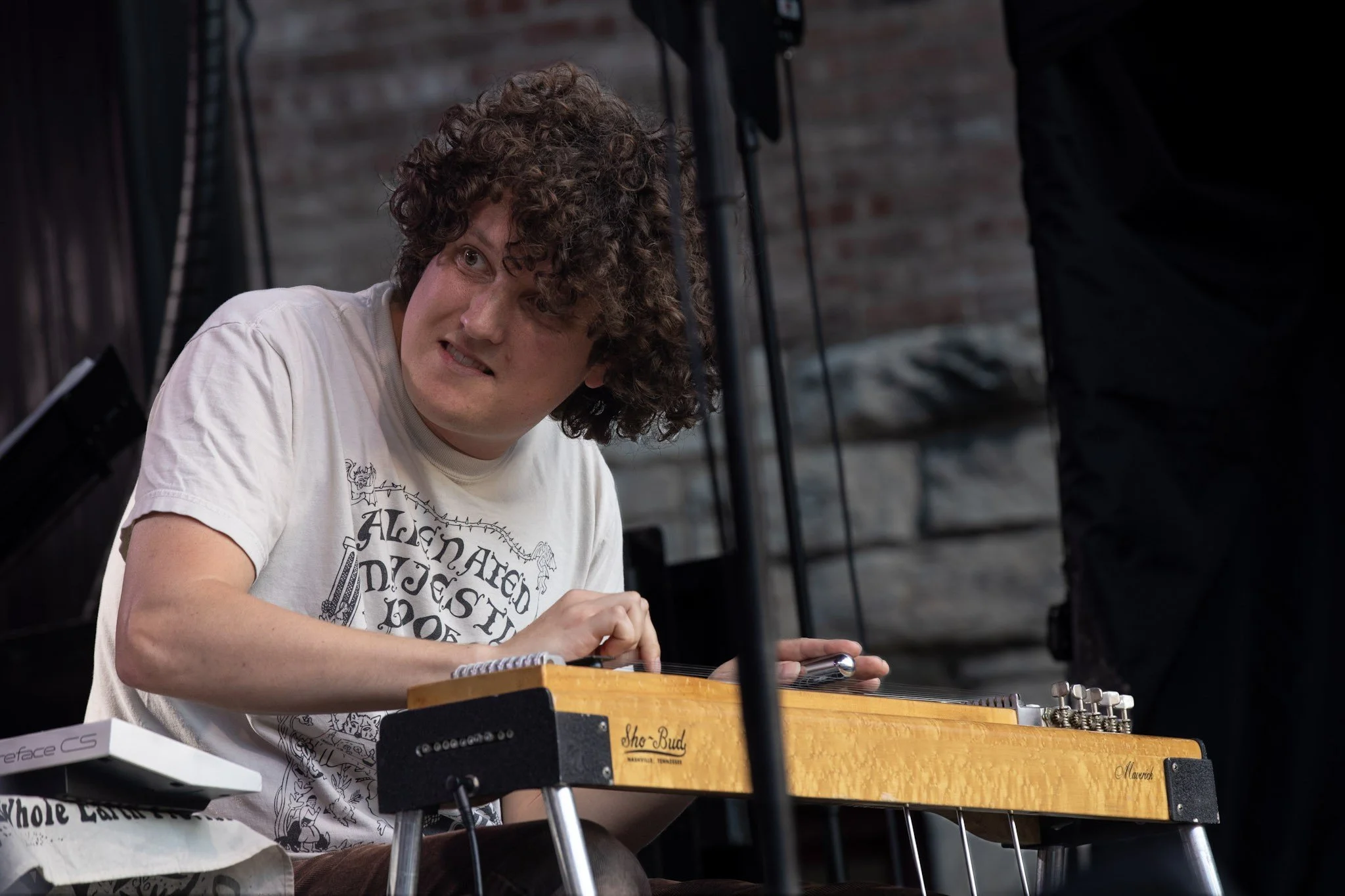
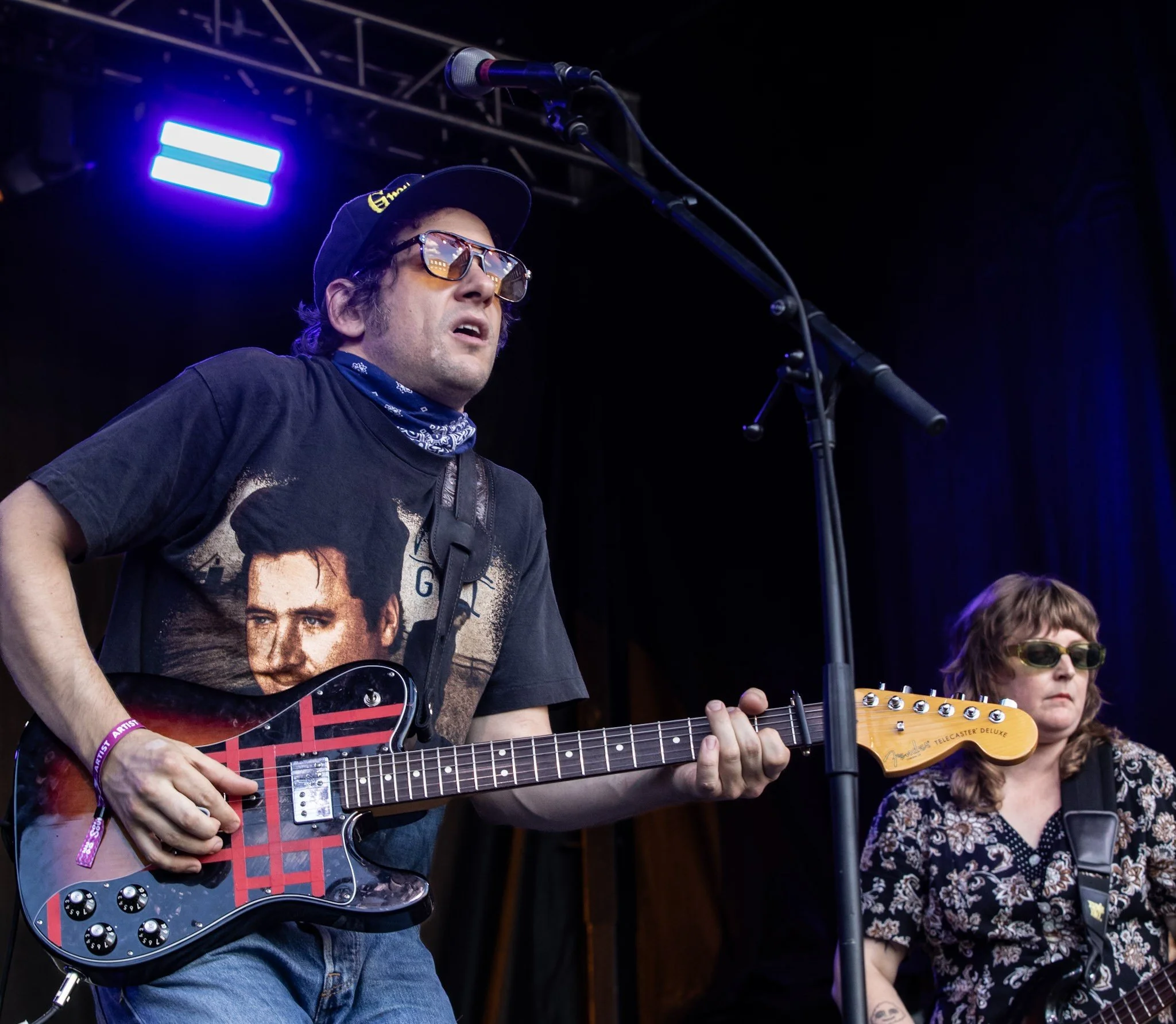
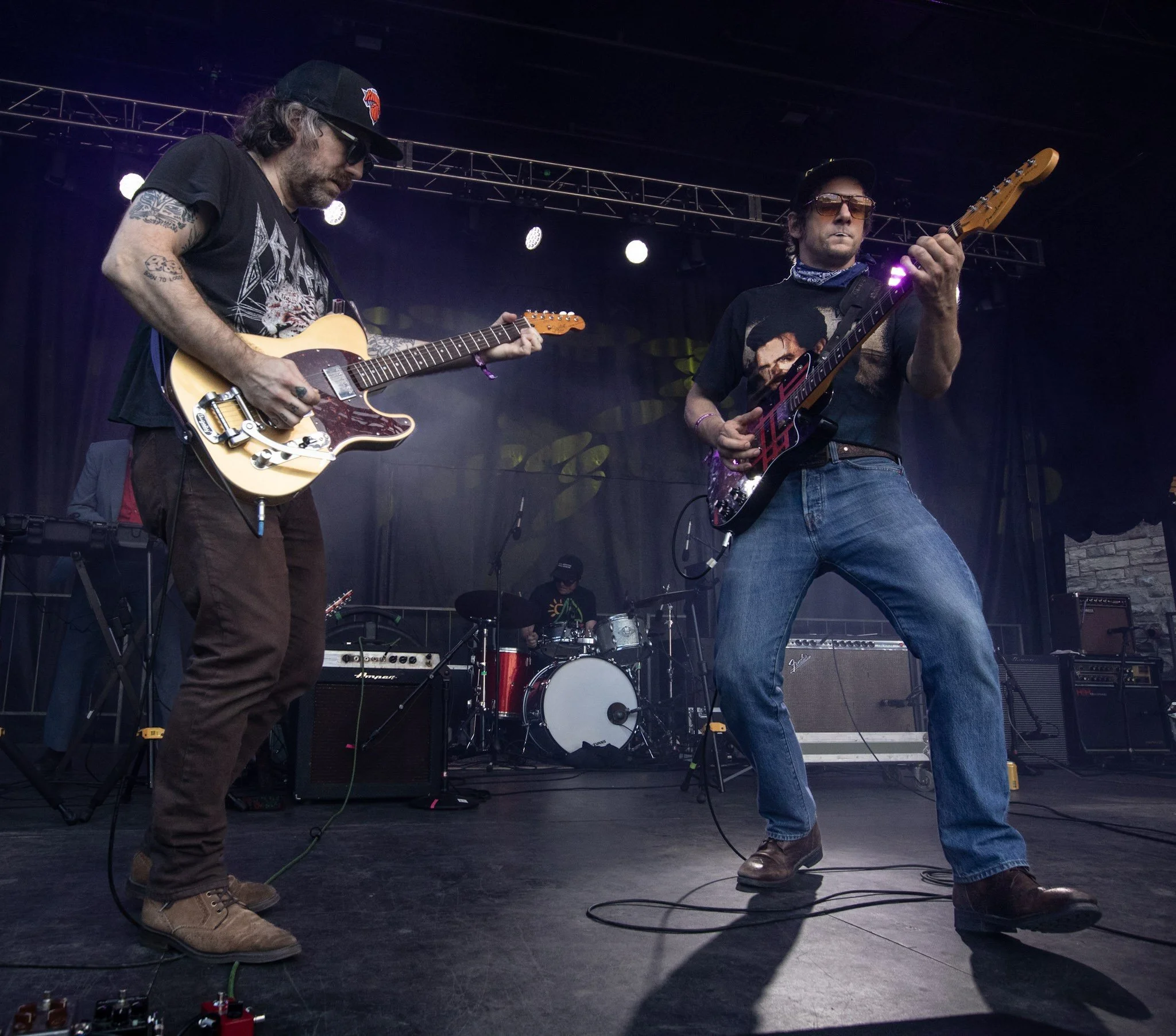
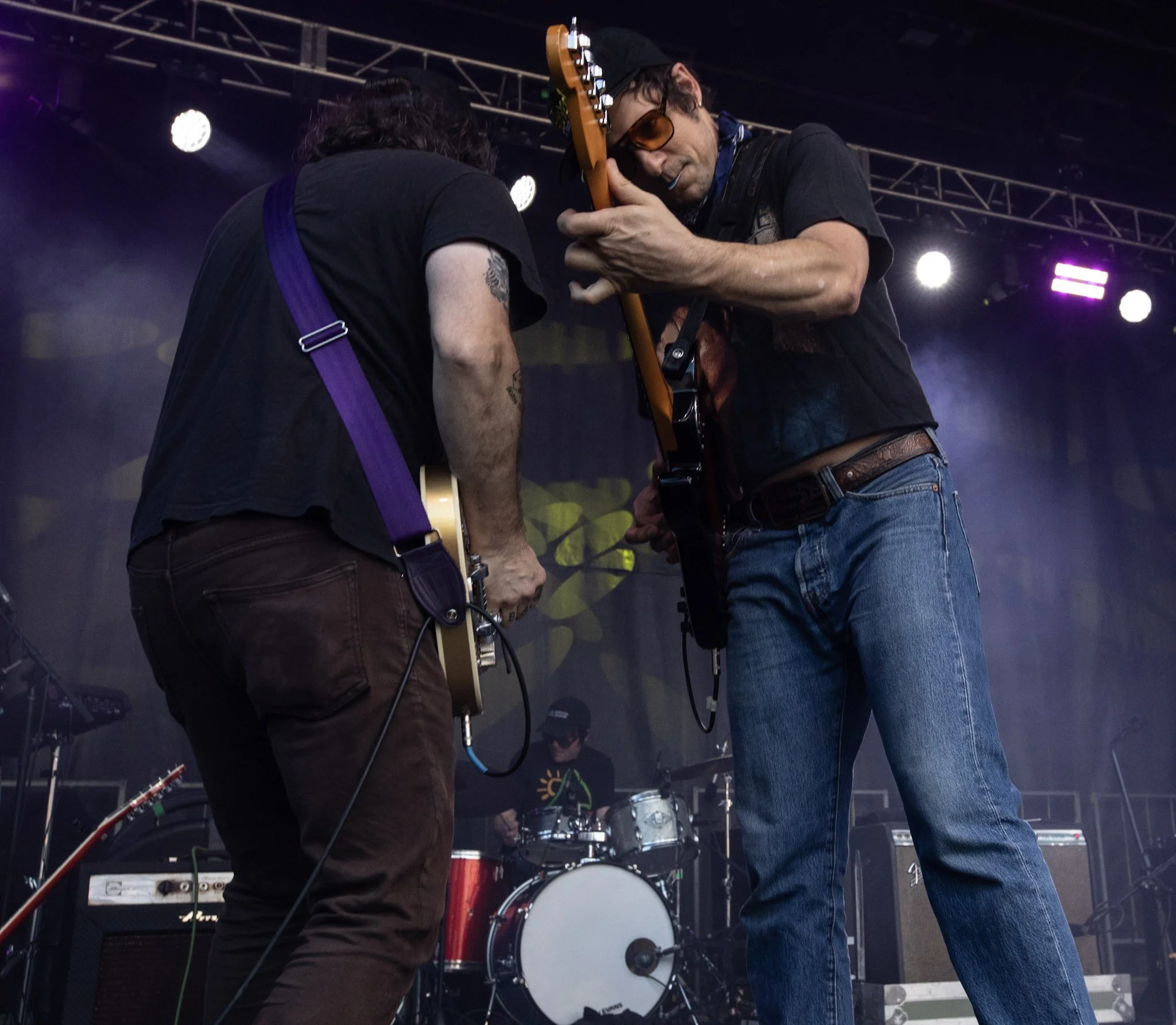
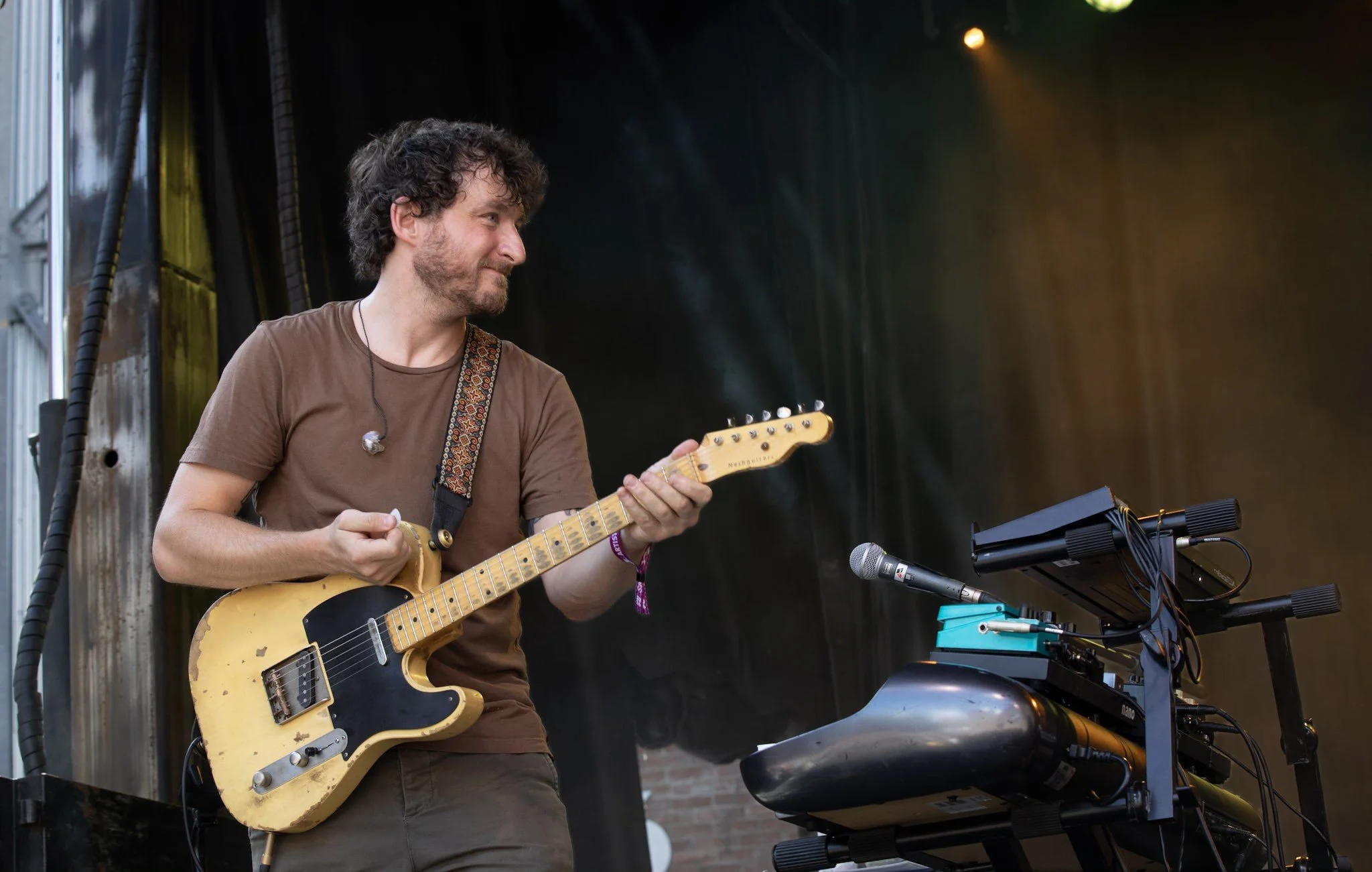
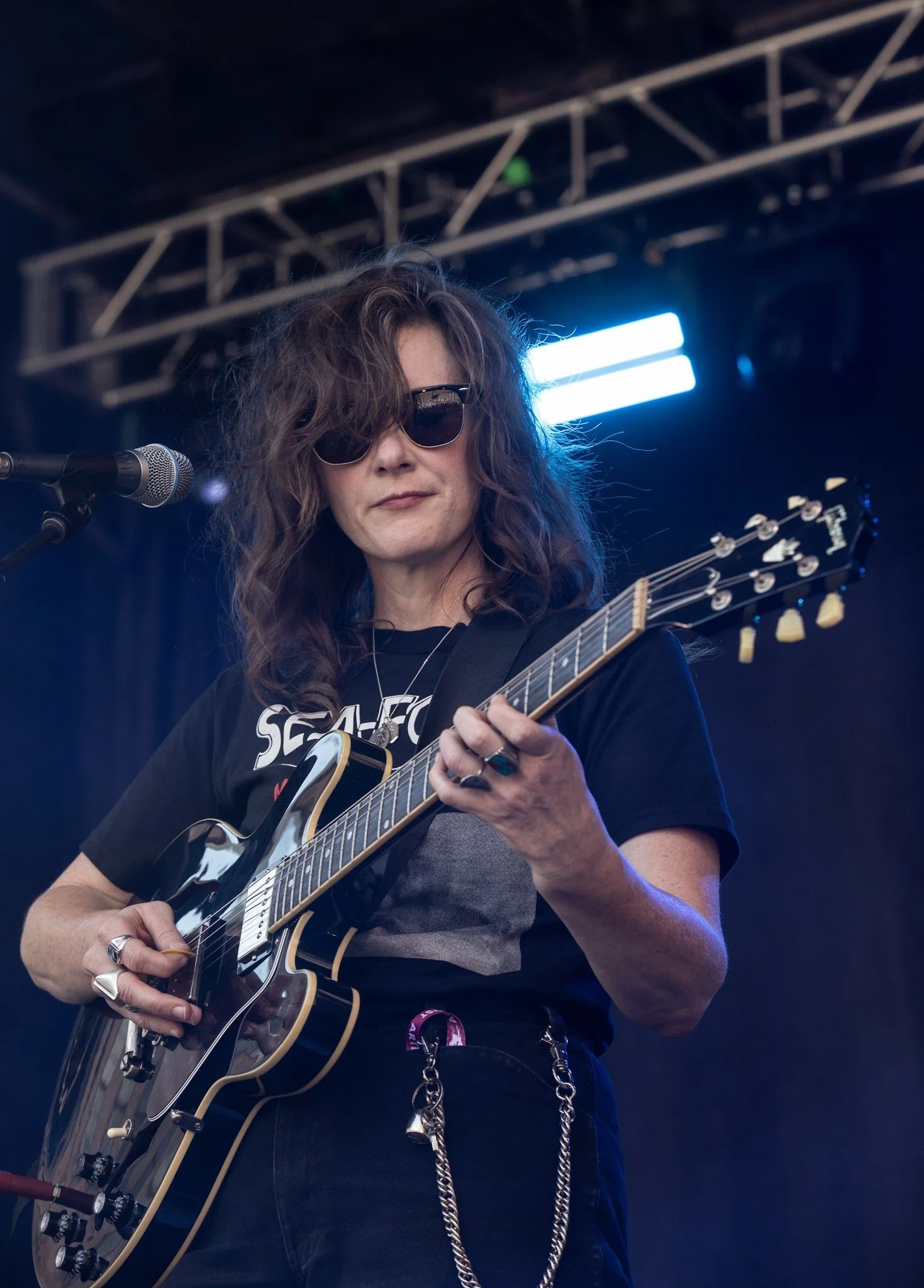
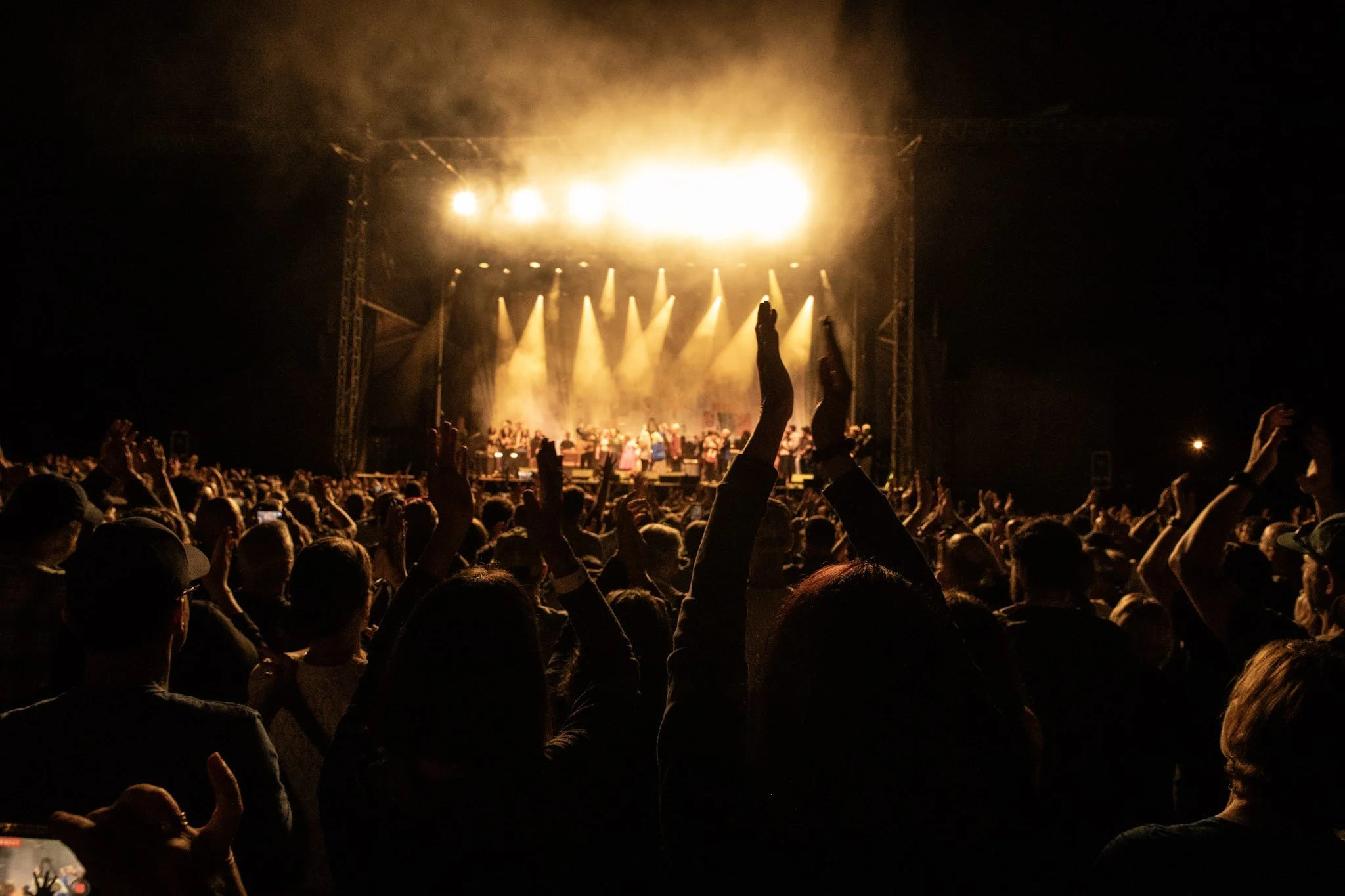
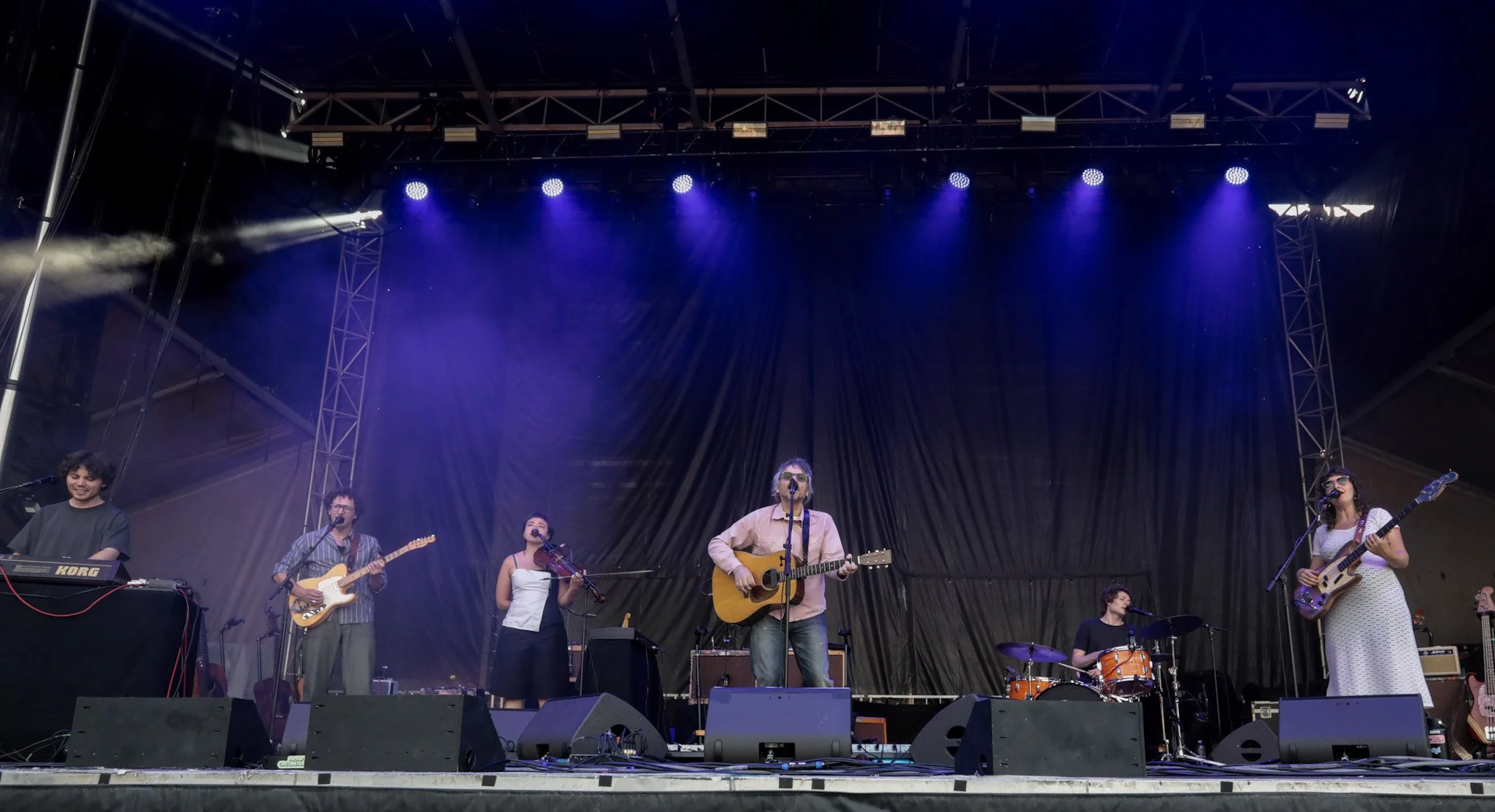
Jeff Tweedy closed the festival as he has done for years performing solo material along with some notable covers. Tweedy’s backing band was mostly made up of his kids, who have become accomplished musicians in their own right. As is the custom at Solid Sound, members of Wilco and many musicians from the festival joined in the final numbers, John Denver’s Take Me Home, Country Roads and Bob Dylan’s You Ain't Goin Nowhere. The final Tweedy set at Solid Sound can often be a bit of letdown after an intense weekend but Tweedy kept the magic alive right down to the very end.
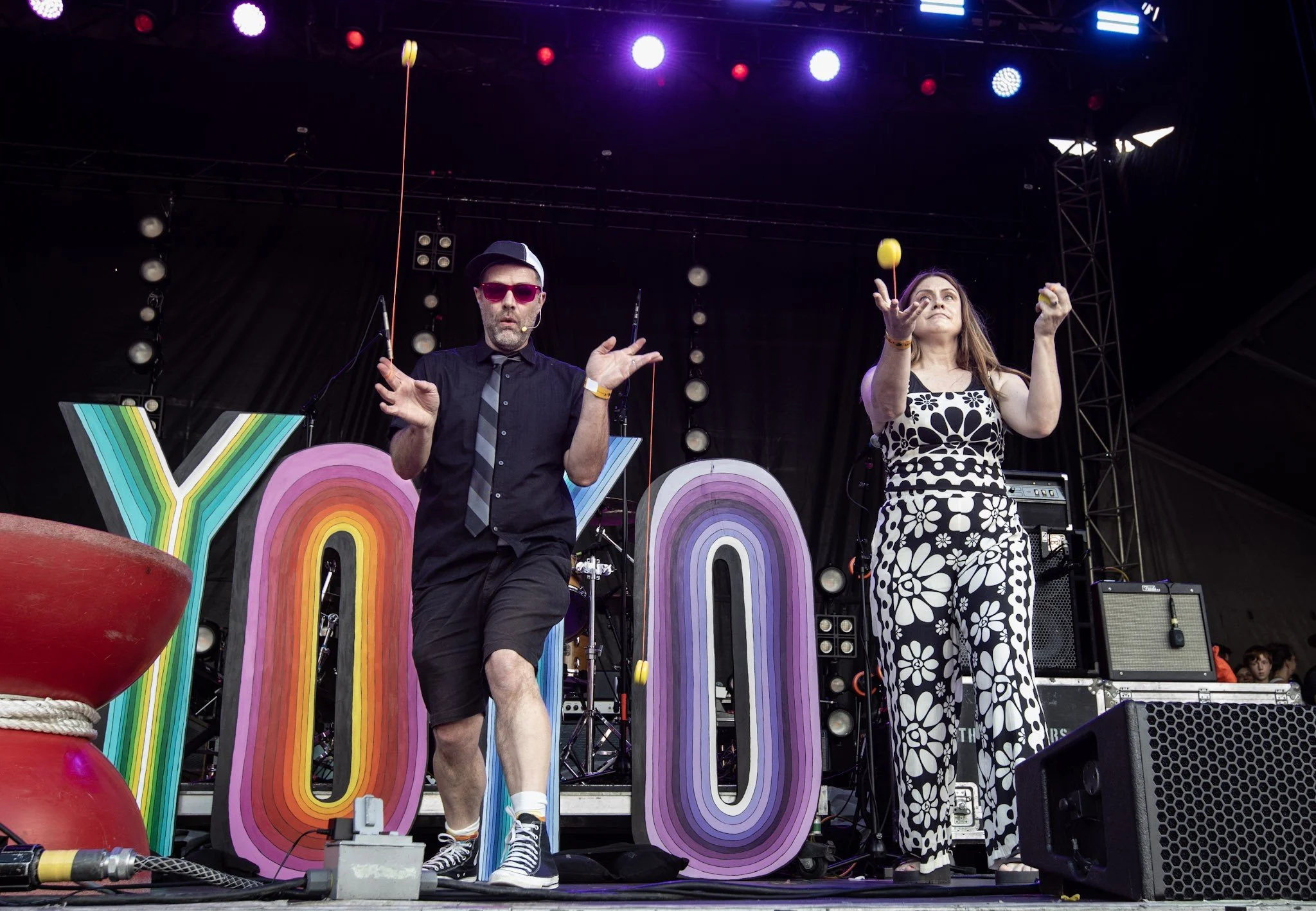
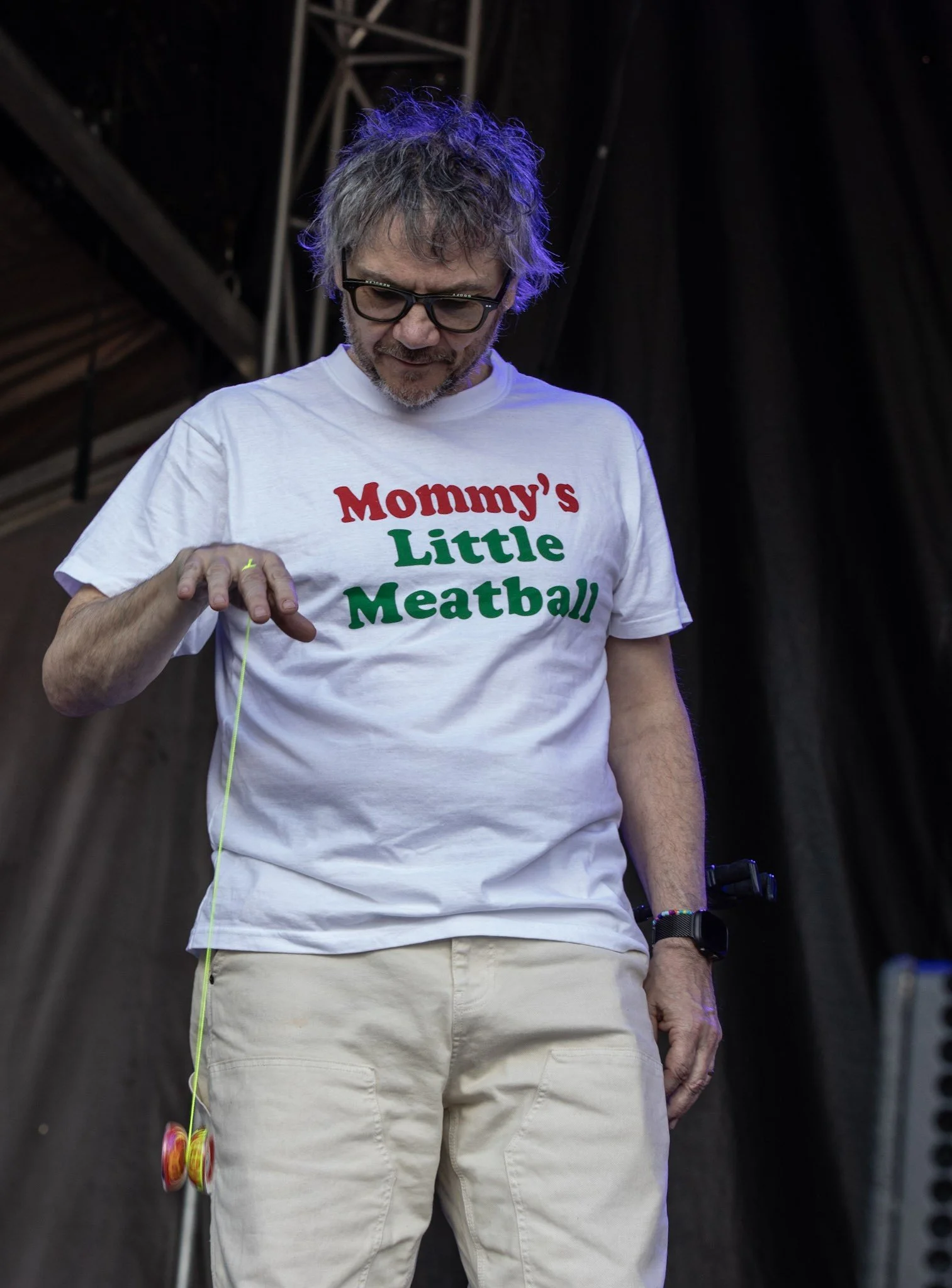
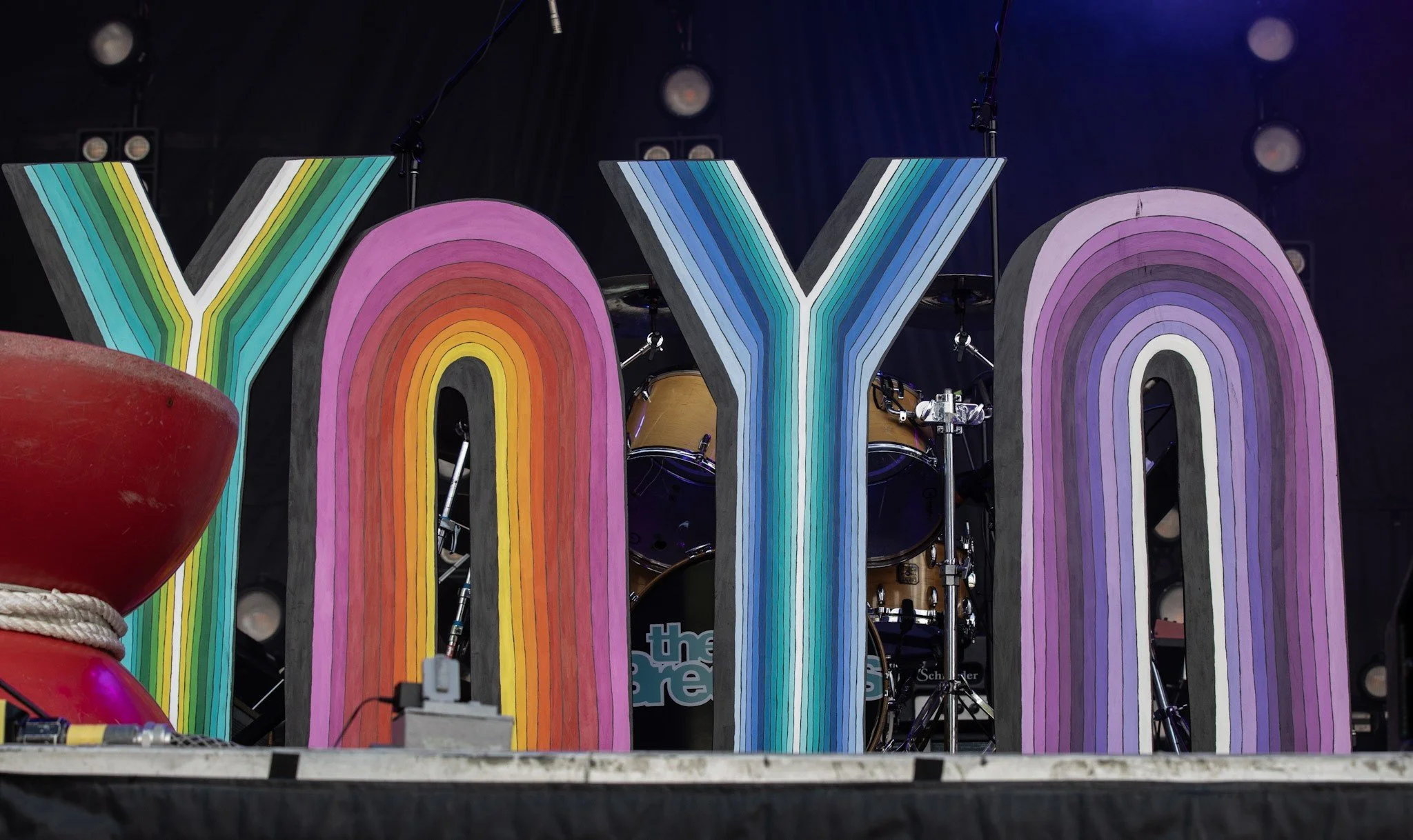
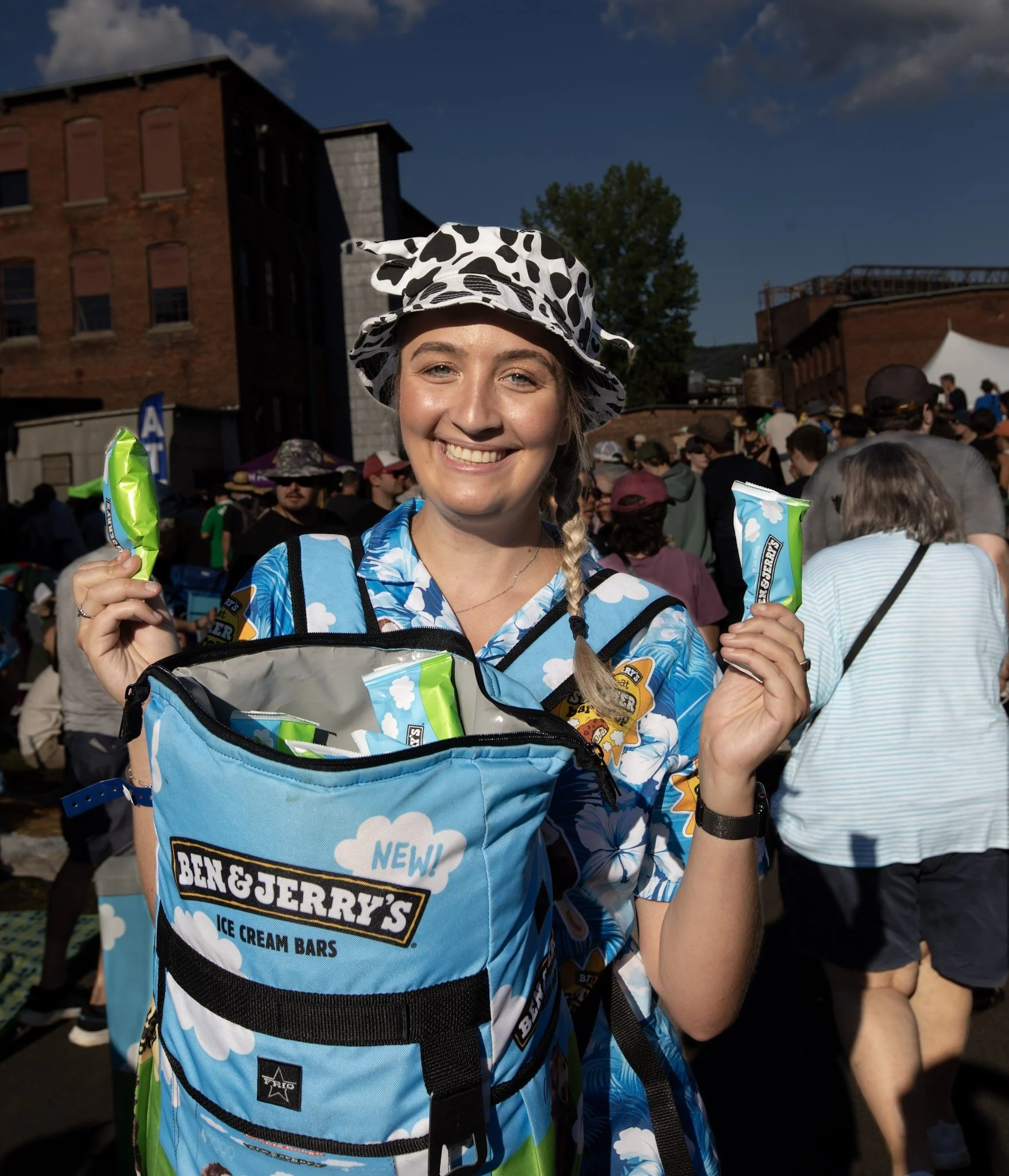
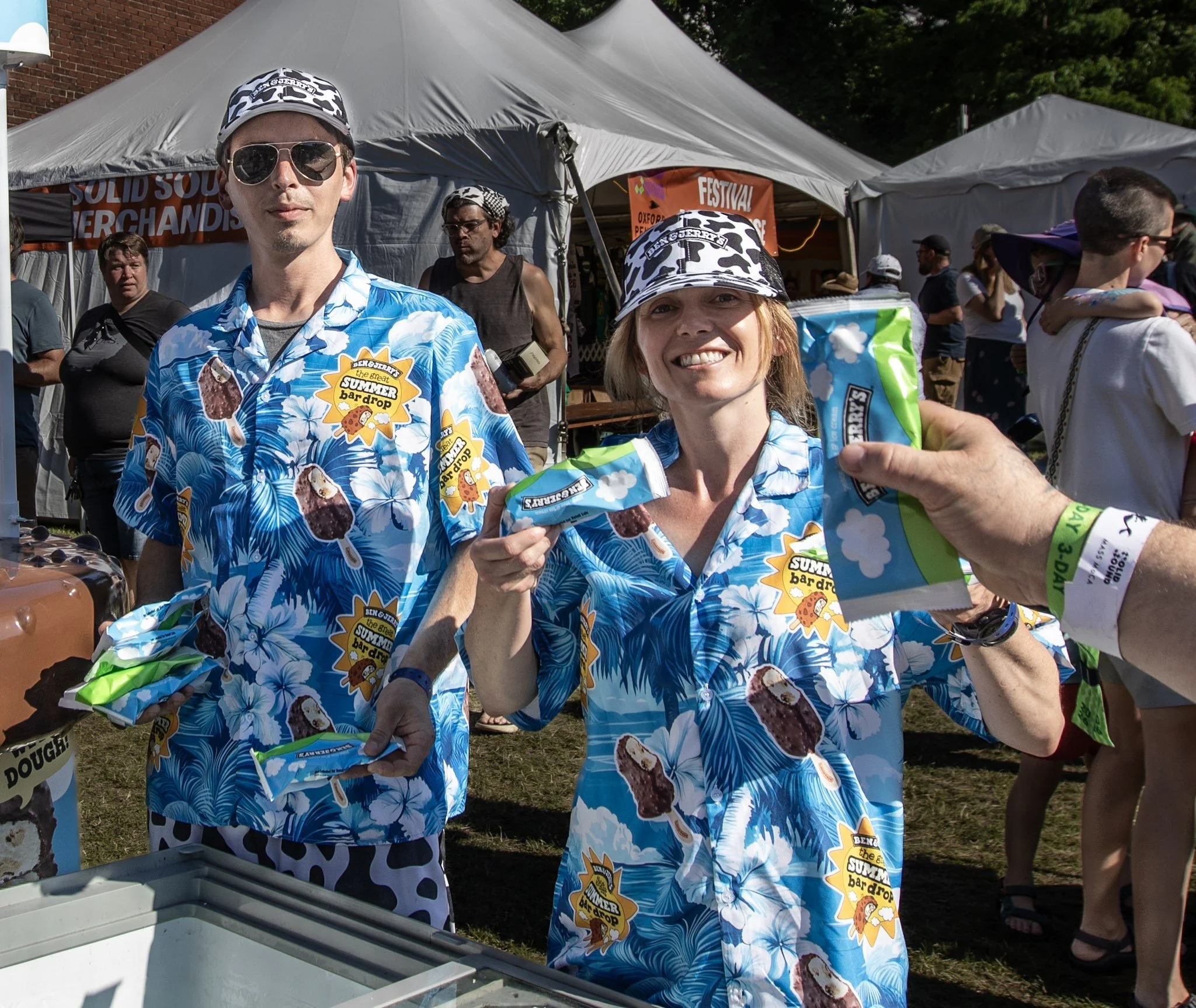
Every Solid Sound Festival is special but this year provided something a little extra. It may have been the feeling of community that is so welcome and appreciated given our political environment right now or it may have been the free Ben and Jerry’s Ice cream or the free Yo-Yo’s and setting a world record for the largest simultaneous Yo-Yo event. Maybe, just maybe it was the spirit of Woody Guthrie.